Have you ever put off a small home repair because it did not seem urgent, only to face a bigger bill later? In Florida, where weather and humidity put extra stress on homes, small issues grow fast. Many homeowners delay maintenance to save money, yet that delay often leads to higher costs. In this blog, we will share why regular home maintenance saves you money over time and how to approach it in a practical way.
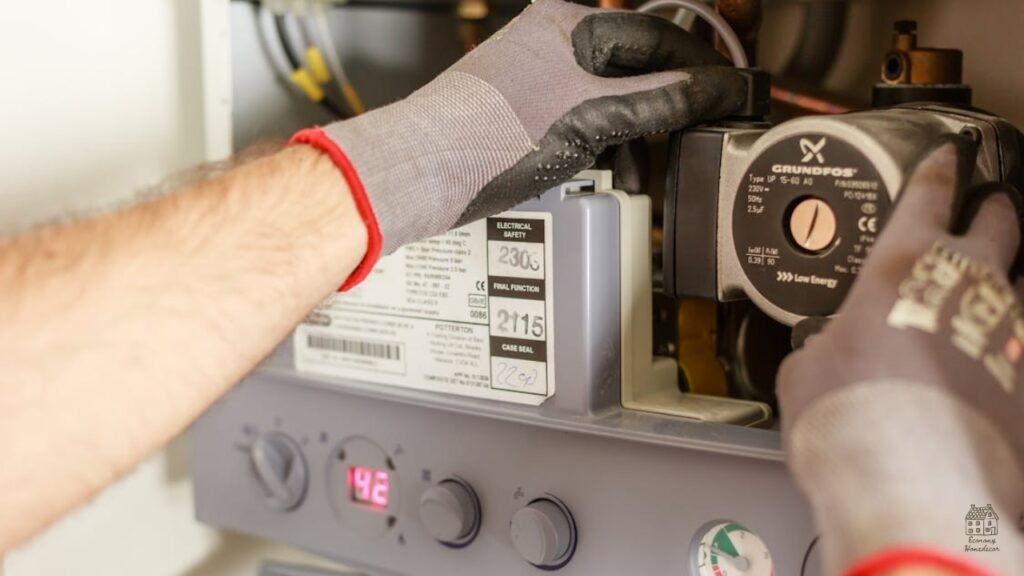
Small Problems Rarely Stay Small
Most home issues begin quietly. A slight leak under the sink, a fridge that runs a bit louder than usual, or a door that does not close properly can seem easy to ignore. The problem is not the issue itself. It is how long it goes unaddressed.
When appliances start to show minor faults, they usually give warning signs before failing completely. A refrigerator, for example, might struggle to maintain temperature before it stops working. Acting early often means a quick repair instead of a full replacement. Thankfully, affordable refrigerator repair in Pinellas and almost all other areas of Florida is easy to find.
This pattern shows up across the entire home. A clogged drain can turn into a pipe issue. A loose tile can lead to water seeping into flooring. Each small delay adds layers of cost that could have been avoided with timely action. It is not that repairs are expensive by default. It is that delayed repairs compound into something larger.
Maintenance Costs Less Than Emergency Repairs
There is a clear difference between planned maintenance and emergency fixes. Planned work happens on your schedule, with time to compare options and control costs. Emergency repairs happen when something breaks, often at the worst possible time.
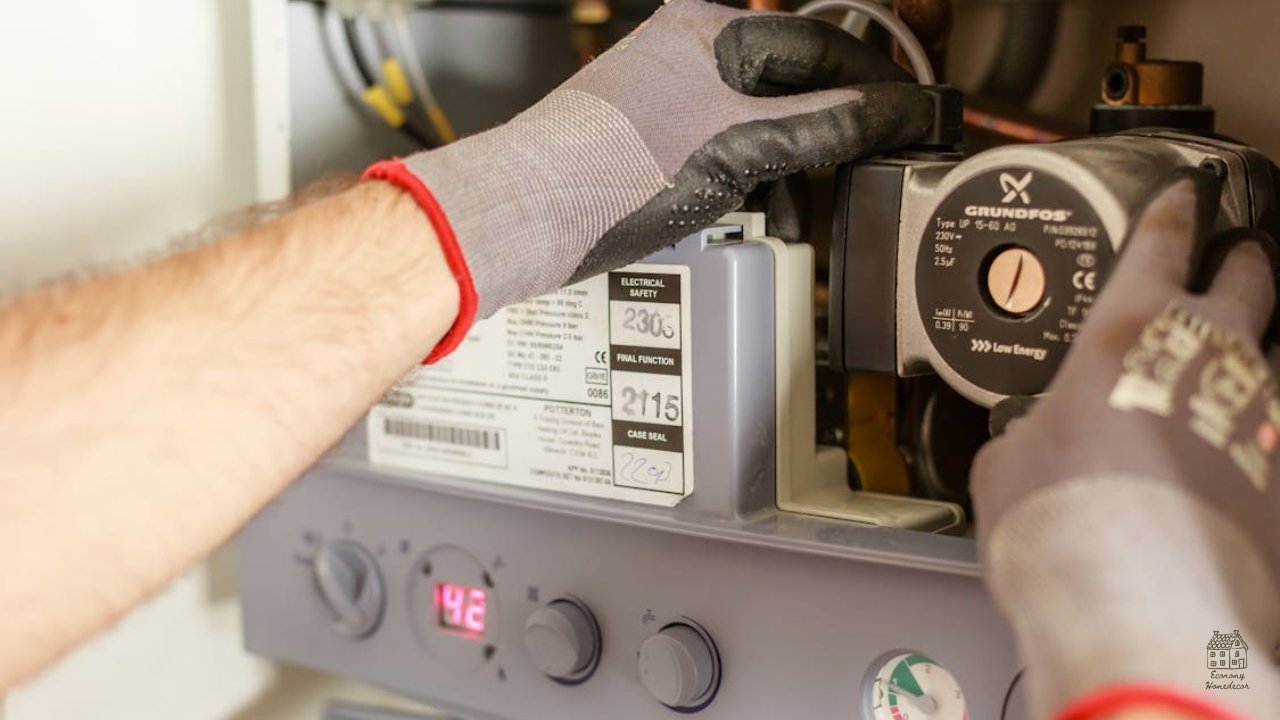
Think about a heating system that stops working during a cold spell or an air system that fails in peak summer. Service calls during these times often cost more, and you may not have the luxury of waiting for better pricing. This urgency forces quick decisions, which are rarely the most cost-effective.
Regular maintenance reduces the chance of these situations. Cleaning filters, checking connections, and inspecting systems keeps everything running within normal limits. It also gives you time to plan for upgrades instead of reacting under pressure.
This shift toward prevention is becoming more common as people deal with rising service costs. Homeowners are realizing that a little attention throughout the year is easier to manage than a large, unexpected bill.
Appliances Last Longer With Basic Care
Appliances are a major investment, yet many people treat them as if they should work perfectly without any upkeep. In reality, most appliances need simple care to perform well over time.
Refrigerators need clean coils to run efficiently. Washing machines benefit from regular cleaning to prevent buildup. Dishwashers work better when filters are cleared. These are small tasks that extend the life of each unit.
Without this care, appliances work harder than necessary. That extra strain leads to wear, which shortens their lifespan. Replacing an appliance costs far more than maintaining it, yet maintenance often gets overlooked because the impact is not immediate.
There is also a broader trend here. As prices for appliances rise and supply chains remain unpredictable, replacing items is no longer as easy or quick as it once was. This makes maintaining what you already have a more practical choice.
Energy Efficiency Starts With Maintenance
Energy costs continue to rise, and homes that are not maintained properly use more energy than they should. A system that struggles to perform its basic function will draw more power, even if the difference is not obvious at first.
A refrigerator that does not seal properly runs longer to keep items cold. An air system with clogged filters works harder to circulate air. Lights and fixtures that are outdated consume more energy than newer options. These inefficiencies add up over time and show up in monthly bills.
Maintenance improves efficiency by keeping systems running as intended. Sealing gaps, cleaning components, and updating small parts can reduce energy use without major upgrades. This not only saves money but also supports a shift toward more sustainable living.
As more people become aware of their energy usage, maintenance becomes part of a larger effort to reduce waste. It is not just about saving money. It is about making homes more efficient overall.
Routine Checks Reduce Stress and Uncertainty
There is a mental cost to ignoring home maintenance that often goes unnoticed. When small issues pile up, they create a sense of unfinished work that lingers in the background. Each problem becomes something you know you should fix but have not yet addressed.
Routine checks remove that uncertainty. When you know your systems are working properly, you spend less time worrying about what might go wrong. This creates a more stable living environment where you are not constantly reacting to new issues.
There is a certain irony in how people approach this. Avoiding maintenance feels like saving time, yet dealing with unexpected problems takes far more time and energy. A small amount of regular effort prevents larger disruptions later.
Practical Steps That Actually Make a Difference
Improving maintenance habits does not require a complex plan. It starts with paying attention and acting early. Walk through your home regularly and look for signs of wear or change. Listen for unusual sounds from appliances. Notice how systems perform compared to normal.
Keep basic tools and supplies on hand so small fixes do not get delayed. Cleaning, tightening, and adjusting simple components can prevent many issues from growing. When a problem appears beyond basic repair, address it quickly instead of waiting.
It also helps to spread tasks over time. Instead of trying to handle everything at once, focus on one area each week. This makes the process manageable and keeps your home in steady condition.
Consistency Turns Maintenance Into Savings
The idea that maintenance saves money is not complicated, but it requires consistency. One small fix will not change much on its own. Repeated attention over time creates the real impact.
Each task you complete reduces the chance of a larger problem. Each issue you address early prevents additional damage. Over months and years, these actions add up to significant savings.
The broader shift in how people manage their homes reflects this reality. With costs rising and resources becoming less predictable, homeowners are moving toward steady upkeep instead of reactive repair. It is a quieter approach, but it works.
Regular maintenance does not eliminate every problem, but it keeps them manageable. It turns your home into something that works with you instead of against you, which is where the real value lies.