When you first hear the term weeping trees, it might sound a little sad, like the tree is crying. But don’t worry—there’s nothing sad about them at all. In fact, weeping trees are some of the most beautiful and peaceful-looking trees you can ever see in nature.
Let’s imagine this together. Picture a tree standing in a garden. Instead of its branches growing straight out like a normal tree, its branches gently bend downward, like soft green waterfalls. That flowing, curtain-like shape is exactly what makes weeping trees so special and eye-catching.
So, what exactly are they?
🌿 The Simple Meaning
At the simplest level, weeping trees are trees with branches that naturally grow downward instead of upward or outward. This gives them a soft, flowing appearance—almost like nature’s version of a fountain.
Now here’s something interesting: nothing is actually “wrong” with these trees. They aren’t sick or damaged. It’s just the way they naturally grow due to their genetics. That means it’s completely normal and intended by nature.
🌳 Why Are They Called “Weeping”?
The name can be a bit misleading. When people first see weeping trees, they often think the tree looks like it is crying. The branches hang down in long, curved shapes that resemble tears falling.
But in reality, the word “weeping” is just a descriptive way to explain the shape—not the feeling. These trees are not sad. They are simply styled differently, like a unique hairstyle in the plant world.
Think of it like this:
- A normal tree = standing tall like a straight haircut
- Weeping trees = flowing, long hair that drapes down beautifully
Same nature, different style.
🌿 How Do They Grow Like That?
Now you might be wondering—why do weeping trees grow this way?
It all comes down to genetics. Inside every tree is a kind of “growth instruction manual.” In weeping trees, that instruction tells the branches to grow downward instead of upward.
There are a few reasons this happens:
- Genetic mutation or natural variation
Some trees naturally develop drooping branches over time. - Selective breeding by humans
Gardeners have carefully grown and selected trees with these traits because they look beautiful in landscapes. - Cell structure differences
The branches are sometimes softer or more flexible, which allows gravity to pull them downward.
So, in simple terms, weeping trees are not shaped by accident—they are shaped by nature and sometimes helped by humans who love their beauty.
🌳 The Magical Look of Weeping Trees
One of the biggest reasons people fall in love with weeping trees is their magical appearance.
Imagine walking through a park and seeing a tree that looks like a green waterfall frozen in time. The branches sway gently in the wind, creating a calming, peaceful feeling. Many people say it feels like stepping into a fairy tale.
Some even describe weeping trees as:
- Romantic
- Dream-like
- Peaceful
- Relaxing
It’s not just a tree—it’s an experience.
🌿 Where Can You Find Them?
You can find weeping trees in many places around the world, especially in:
- Parks
- Botanical gardens
- Lakesides
- Private home gardens
- Landscaping projects
They are often planted near water because their drooping branches reflect beautifully on the surface. This creates a mirror-like effect that looks almost unreal.
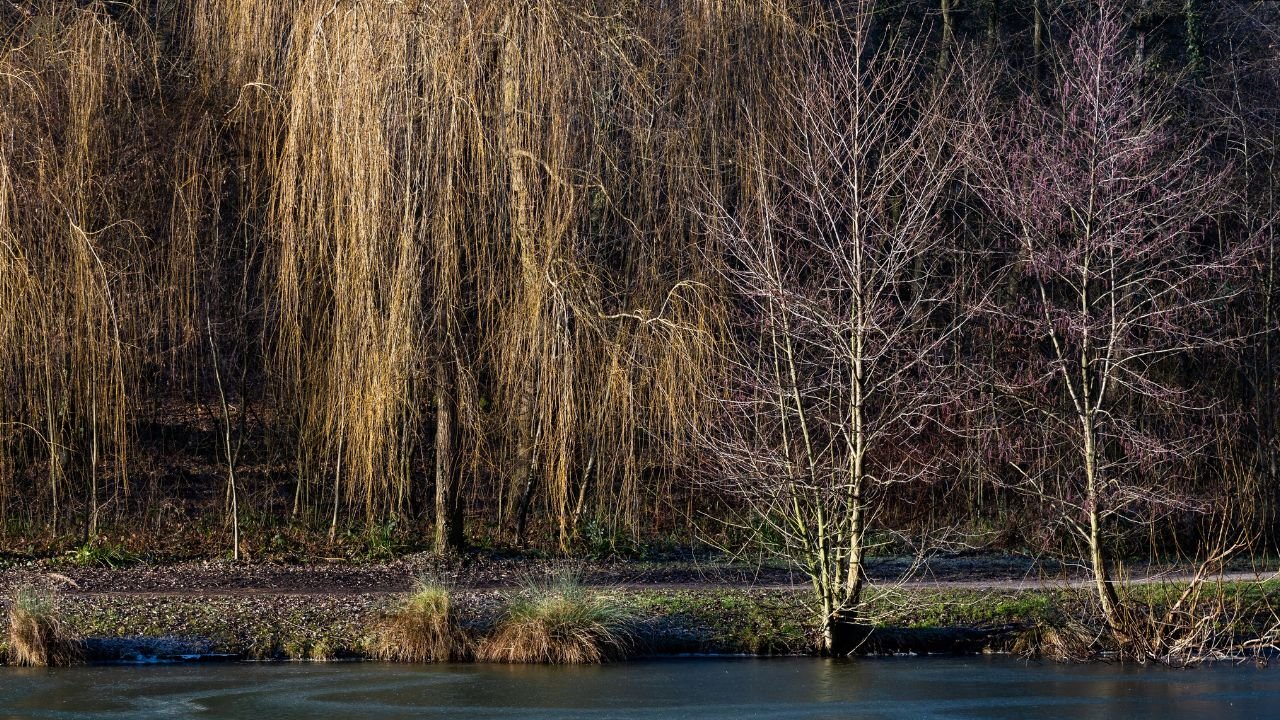
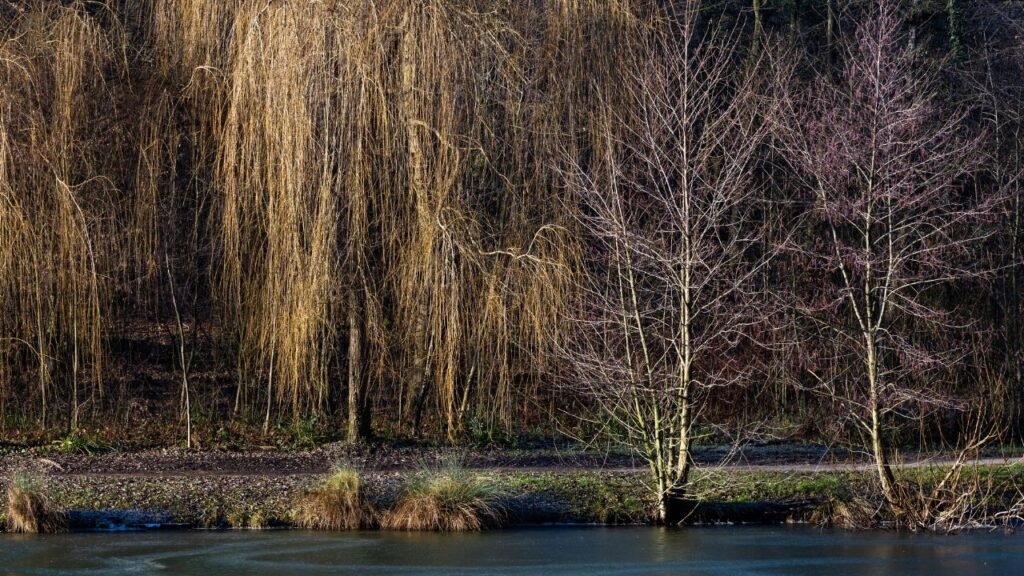
One of the most famous examples is the weeping willow, often seen near rivers and ponds. Its long branches gently touch or hover close to the water, creating a calm and soothing scene.
🌳 Different Shapes and Styles
Not all weeping trees look the same. In fact, there are many different types, and each one has its own personality.
Some are:
- Tall and dramatic, like a natural curtain hanging from the sky
- Small and compact, perfect for home gardens
- Flowering varieties that bloom beautifully in spring
- Evergreen types that stay green all year round
This variety is one of the reasons weeping trees are so popular in landscaping. They can fit almost any garden style, whether big or small.
🌿 Why People Love Them So Much
Let’s be honest—people don’t just plant weeping trees because they are unusual. They plant them because they create emotion.
Here’s what makes them so loved:
1. They feel calming
Standing under weeping trees feels like being under a natural umbrella of peace.
2. They create beauty instantly
Even a simple garden becomes elegant when you add one.
3. They bring movement to landscapes
Their branches gently move with the wind, making gardens feel alive.
4. They create privacy
Some weeping trees form natural curtains that block views from outside.
🌳 Are Weeping Trees Natural or Designed?
Here’s a fun fact: some weeping trees are completely natural, while others are created through careful gardening techniques.
Gardeners sometimes graft branches from one tree onto another to create the drooping shape. This process has been used for hundreds of years to enhance beauty in gardens.
So when you see weeping trees, you are sometimes looking at nature and human creativity working together.
🌿 A Common Misunderstanding
Many people think weeping trees are weak or unhealthy because their branches hang down. But that’s not true at all.
In fact:
- They are just as strong as other trees
- They can live for many years
- They grow large and healthy when cared for properly
The only difference is their shape.
🌳 Why They Matter in Landscaping
Landscape designers love using weeping trees because they add structure and emotion to outdoor spaces.
Instead of just having straight trees, adding weeping trees creates contrast. They break the pattern and make gardens feel more natural and artistic.
You’ll often see them used:
- At garden entrances
- Near water features
- As centerpiece trees
- In Japanese-style gardens
- In modern minimalist landscapes
They quietly steal the show without needing bright colors or flowers.
🌿 A Tree That Feels Alive
One of the most beautiful things about weeping trees is how they make people feel.
They don’t just stand there—they move, sway, and flow. When the wind blows, their branches respond like waves in the ocean. This creates a calming rhythm that many people find relaxing.
Some even say sitting under weeping trees feels like sitting under nature’s gentle hug.
🌳 Final Thought for This Section
So now you know—weeping trees are not just trees with drooping branches. They are living artworks shaped by nature, genetics, and sometimes human care.
They bring emotion, beauty, and peace into any space they grow in. Whether in a huge park or a small garden, weeping trees always manage to stand out quietly and beautifully.
And as we continue through this guide, you’ll discover even more about how to choose, grow, and care for these incredible trees.