
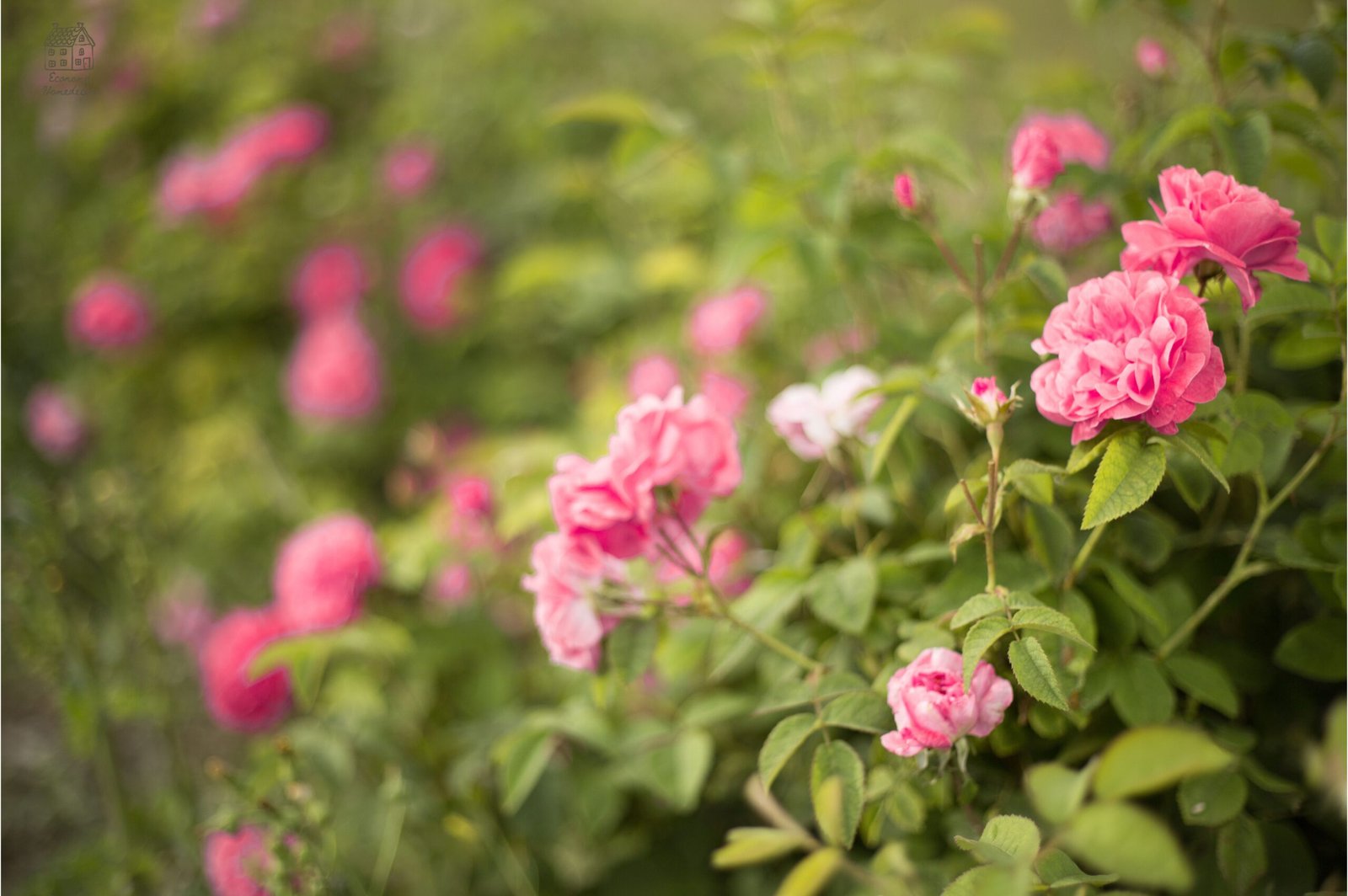
A rose garden looks effortless only when someone has made the right decisions early.
That is the part most beginners do not see. They see the flowers, the archway, the soft colors, the romantic path, and the glossy catalog photo. They do not see the six hours of sun, the spacing, the drainage, the pruning cuts, the first black spot problem, or the rose that looked perfect online but hated the corner where it was planted.
A good rose garden is not built by buying every beautiful rose you find. It is built by choosing the right roses for the right place, then designing the space around how roses actually grow.
What Is a Rose Garden?
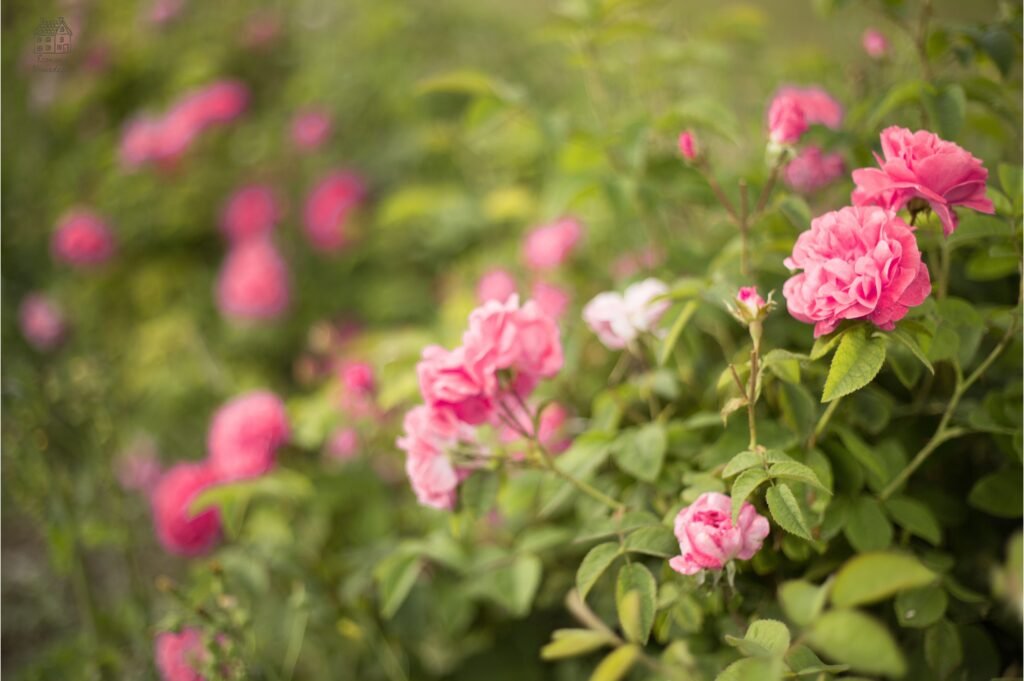
A rose garden is a garden area designed mainly around roses. It can be a formal garden with symmetrical beds, paths, arches, and seating, or it can be a relaxed cottage-style border where roses grow with lavender, salvia, catmint, alliums, and other companion plants.
A rose garden can also be small. One climbing rose over a gate, three shrub roses in a sunny border, or a group of container roses on a patio can still create the feeling of a rose garden. Garden Design describes rose gardens as ranging from a single rose specimen with companion plants to formal landscapes with hardscaping, arbors, seating, and statuary.
The best version is not always the biggest one. It is the one that fits your space, your climate, and the amount of care you are realistically willing to give.
What Roses Need Before They Look Beautiful
Roses are not as impossible as their reputation suggests, but they are honest plants. If the basics are wrong, they usually tell you quickly.
Most rose gardens need:
- Sunlight: Many rose guides recommend at least 6 hours of sun, although some roses can flower with less. David Austin notes that most varieties flower best with at least four hours of direct sun, while stronger sun generally improves flowering.
- Good drainage: Roses dislike sitting in wet soil. Home Depot warns not to plant roses in areas that stay wet or drain slowly.
- Airflow: Crowded roses stay damp longer after rain, which increases disease pressure. David Austin specifically recommends spacing roses so air can move through the foliage.
- Rich soil: Roses prefer soil improved with compost or organic matter. Garden Design recommends rich, well-draining soil with a slightly acidic pH around 6.0–7.0.
- Deep watering: Chicago Botanic Garden recommends watering deeply while soaking the soil rather than the foliage, preferably near dawn, because wet foliage at night can encourage fungal disease.
If your site has deep shade, standing water, compacted soil, or no practical way to water, fix those problems before buying roses.
Choose a Rose Garden Style That Fits Your Life
A rose garden should not only match your taste. It should match your patience.
Formal rose garden
This style uses symmetry, clean paths, repeated colors, clipped edges, and often a central feature such as a bench, fountain, urn, arch, or pergola.
Best for: front yards, large lawns, classic homes, wedding-style gardens.
Risk: it can look messy fast if pruning and edging are neglected.
Cottage rose garden
This is softer and more forgiving. Roses mix with perennials, herbs, and flowering plants. The goal is fragrance, fullness, and seasonal charm rather than perfect symmetry.
Best for: relaxed gardeners, pollinator-friendly spaces, colorful borders.
Risk: too many plants can reduce airflow if the bed is overcrowded.
Modern rose garden
A modern rose garden uses fewer colors, repeated varieties, clean lines, gravel paths, raised beds, or minimalist planters.
Best for: small spaces, patios, contemporary homes.
Risk: the design can feel stiff if there is no fragrance, movement, or seasonal layering.
Container rose garden
Container roses work well on patios, balconies, and small courtyards. Choose compact shrub, patio, or miniature roses and use large pots with drainage holes.
Best for: renters, small-space gardeners, beginners.
Risk: containers dry faster and need more consistent watering.
Best Roses for a Beginner Rose Garden
The biggest mistake is starting with roses that need expert care.
For a first rose garden, look for:
- disease-resistant shrub roses
- floribunda roses for clusters of blooms
- landscape roses for low-maintenance mass planting
- compact roses for containers
- climbing roses only if you already have a strong support structure
- fragrant English-style roses if scent matters more than perfect exhibition blooms
Hybrid tea roses are beautiful, but many are more demanding. Garden Design notes that some older types, especially hybrid teas, can be higher-maintenance and more disease-prone, while newer varieties are often bred for disease resistance, vigor, and longer bloom.
A smart beginner formula is simple:
Start with 3 to 5 roses, not 15.
Use one color family. Repeat at least one variety. Leave space for airflow. Add companion plants later.
How to Design a Rose Garden Layout
A good layout starts with the mature size of the rose, not the size of the plant at the nursery.
That one point prevents half the problems beginners face.
Step 1: Watch the sun
Spend one day observing the area. Mark where sun hits in the morning, midday, and afternoon. Morning sun is especially useful because it dries leaves faster after dew or rain.
Avoid planting under large trees. Roses do not like competing with tree roots for water, nutrients, and light.
Step 2: Decide the viewing angle
Will you see the rose garden from a kitchen window, front path, patio chair, driveway, or street?
Design for the view you will actually enjoy every day.
Step 3: Place tall roses first
Put climbing roses, tall shrub roses, and archway roses where they will not shade smaller plants. Trellises, arches, pergolas, and fences should be installed before the rose becomes large.
Step 4: Repeat colors
A beginner rose garden often fails visually because every plant is a different color. Red, orange, pink, yellow, white, lavender, peach, and burgundy can become chaos in a small bed.
Use a controlled palette:
- soft romantic: blush, cream, pale pink
- bold classic: red, white, deep green foliage
- warm sunset: peach, apricot, coral
- cottage: pink, lavender, white, soft blue companions
- modern: white roses with silver foliage and ornamental grasses
Step 5: Leave room to work
Do not design a garden you cannot enter. You need access for pruning, deadheading, watering, feeding, and removing diseased leaves.
A narrow rose bed against a wall may look beautiful in photos, but if you cannot reach the back canes, maintenance becomes frustrating.
Soil Preparation: The Quiet Secret Behind Better Roses
Roses reward soil preparation more than impulse fertilizing.
Before planting, loosen the soil deeply and mix in compost or well-rotted organic matter. RHS recommends mixing in well-rotted organic matter before planting and digging a hole roughly twice the width of the roots.
A soil test is worth it if you are planting more than a few roses. Roses generally prefer slightly acidic to neutral soil. Missouri Extension notes that roses grow best in well-drained soil rich in organic matter and prefer pH around 6.0 to 6.8, though they can tolerate somewhat higher pH.
Avoid planting into:
- heavy clay with standing water
- construction fill
- compacted lawn soil
- soil full of tree roots
- beds where diseased roses recently failed
If drainage is poor, build a raised bed or improve the site before planting.
When to Plant Roses
The best planting time depends on your climate and rose type.
RHS recommends planting bare-root roses from late autumn to early spring while they are dormant, avoiding frozen ground. Container-grown roses can be planted year-round if the ground is not frozen or very dry.
In colder areas, spring planting is safer. In warmer climates, fall planting can help roses establish roots before summer heat arrives.
How to Water a Rose Garden
Water deeply, not constantly.
Shallow watering encourages shallow roots. Deep watering helps roots move down into cooler, more stable soil. Architectural Digest’s rose garden guide also emphasizes deep watering once or twice a week during hot months rather than frequent shallow watering.
Best watering method: drip irrigation or a slow hose at soil level.
Worst habit: spraying leaves every evening.
Wet foliage plus poor airflow creates perfect conditions for fungal problems.
Mulch, Feeding, and Maintenance
Mulch keeps roots cooler, reduces weeds, and helps soil hold moisture. Home Depot recommends a 1–2 inch layer of mulch or pine straw over rose roots.
Feed roses during active growth, but do not assume more fertilizer means more flowers. Too much nitrogen can produce leafy growth instead of balanced blooms.
Basic maintenance rhythm:
- spring: prune, feed, refresh mulch
- early summer: deadhead, water deeply, watch pests
- midsummer: maintain water, remove diseased leaves
- late summer: reduce heavy feeding in colder climates
- fall: clean fallen leaves, prepare for dormancy
- winter: prune according to your region and rose type
Common Rose Garden Mistakes
Planting in too much shade
A rose may survive in shade, but survival is not the same as blooming well.
Buying roses only for color
Color matters, but disease resistance, mature size, fragrance, bloom repeat, and climate suitability matter more.
Crowding the bed
Crowding looks full for one month and problematic for years.
Ignoring drainage
Roses do not like “wet feet.” Poor drainage can lead to weak growth and root problems.
Forgetting maintenance access
A rose garden should have reachable plants, clear paths, and enough space to prune safely.
Expecting perfection in year one
Roses often spend their first seasons establishing roots. Home Depot mentions the old gardener saying that roses “sleep, creep, then leap,” meaning they may take two to three years to settle before reaching strong performance.
Troubleshooting a Rose Garden
Yellow leaves
Possible causes include too much water, too little water, nutrient issues, disease, heat stress, or natural aging of older leaves.
Check soil moisture first before adding fertilizer.
Black spot
Black spot is common in humid climates. Remove infected leaves, clean fallen leaves, improve airflow, and avoid wetting foliage late in the day. Home Depot recommends checking leaves regularly, removing infected leaves, and using fungicide when needed.
Aphids
Do not panic at the first aphid sighting. Chicago Botanic Garden notes that ladybugs may naturally reduce aphid outbreaks, and if action is needed, aphids can often be sprayed off with water or treated with insecticidal soap according to label instructions.
No blooms
Common causes include too little sun, too much nitrogen, incorrect pruning, immature plants, water stress, or choosing once-blooming varieties when you expected repeat bloom.
Small Rose Garden Ideas
You do not need an estate garden to grow roses.
Try:
- three shrub roses around a bench
- one climbing rose over a gate
- two container roses beside a doorway
- a narrow sunny side-yard rose border
- a raised bed with roses, lavender, and catmint
- a front-yard rose hedge
- a patio rose garden with compact repeat bloomers
For small spaces, repeat fewer varieties. One healthy rose in the right place is better than six struggling roses competing for air, sun, and water.
The Real Secret to a Rose Garden That Feels Beautiful
A rose garden is not only a collection of roses.
It is a mood.
Fragrance near a sitting area. A bloom you notice from the window. A path that slows you down. A color palette that feels calm instead of crowded. A maintenance routine that feels possible, not punishing.
The best rose garden is not the one with the most varieties. It is the one you still love taking care of three years later.