
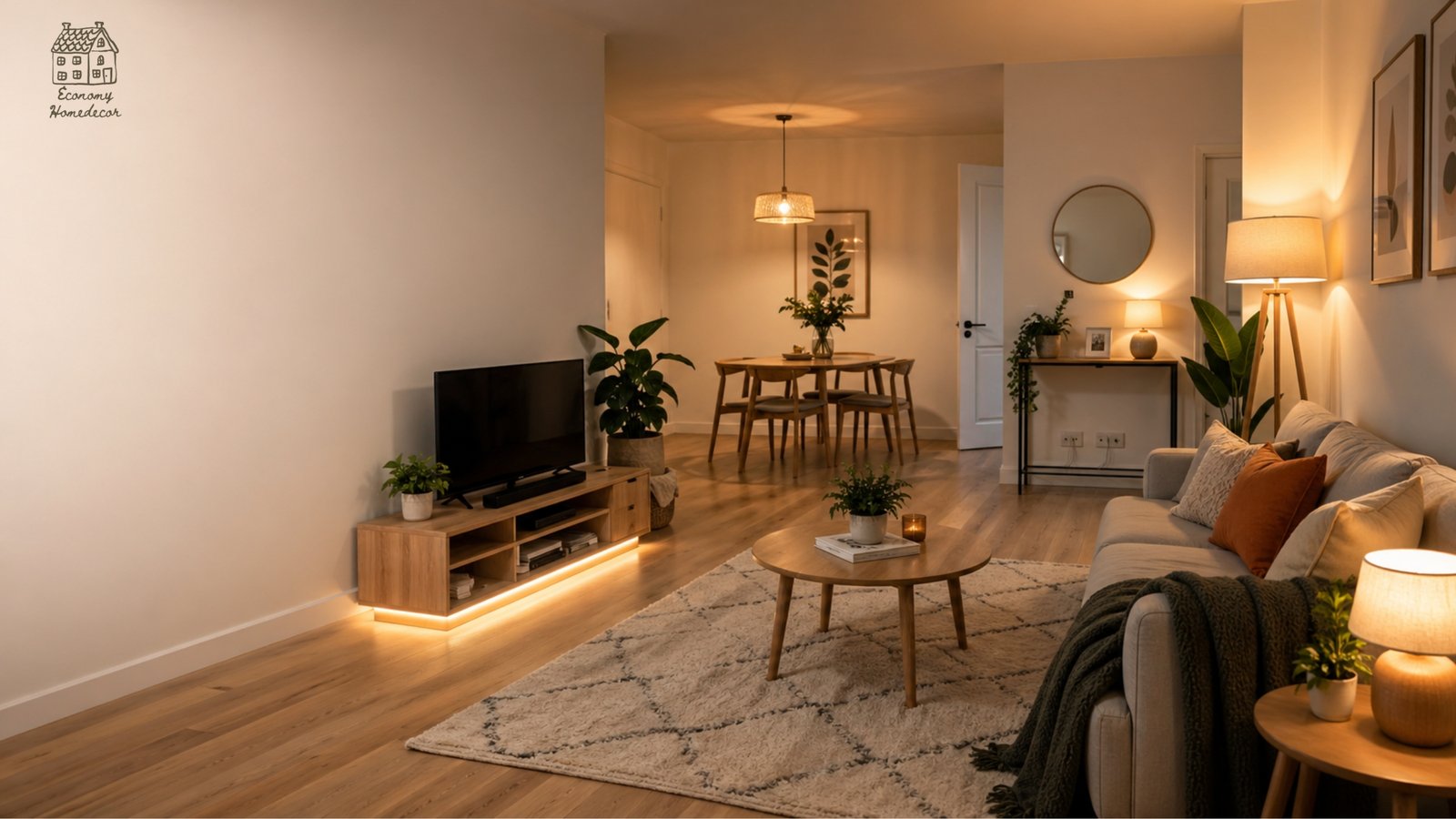
If your rooms feel dull but a full makeover is not realistic right now, lighting is one of the easiest levers to pull. With a few smart swaps and sensible choices, you can make rooms look brighter, cleaner, and more current without touching the walls or floors. Many homeowners underestimate how much small upgrades in bulbs, fixtures, and switches change how a space feels day to day.
Instead of chasing big, expensive projects, you can start with focused changes that carry a lot of visual weight. In many cases, that means choosing affordable pendant lighting for key spots, fixing dark corners, and pairing this with simple power updates so your lights, chargers, and devices all work smoothly. This guide walks you through practical changes that make sense in real homes and with real budgets.
Why lighting shape and placement matter more than price
A common mistake is to assume only high-priced lights can make a difference. In reality, the way light spreads in a room usually matters more than the brand on the box. Professionals often talk about different layers of light, but you can think about it in simpler terms. You need a main light so you can see the room, a focused light where you do things, and a softer light that makes evenings feel comfortable.
Studies on home comfort show that evenly lit rooms with less glare tend to feel calmer and more welcoming. When you use a single harsh ceiling fitting, you create strong shadows and tired eyes. When you add a few cheaper lamps or a budget pendant in the right place, you spread light out, soften the look of surfaces, and often reduce eye strain at the same time.
A basic example is a living room with only one overhead bulb. Adding a floor lamp beside the sofa and a small table lamp near a reading chair instantly breaks up the harsh contrast. The room looks warmer on video calls, and you can sit there longer without feeling like you are under a spotlight.
How to pick fixtures that still look considered
You do not need designer brands to get a tidy, modern result. The goal is to choose fixtures that suit the size of the room and keep the light level comfortable. Many practical lighting guides suggest replacing the most visible fixtures first, such as those in the entry, over the dining table, or above the kitchen counter.
A few simple rules help:
- In small rooms, pick compact shades that sit close to the ceiling so they do not crowd the space.
- Over dining tables, choose a pendant that is about half to two-thirds of the table width, hung low enough to light faces but high enough so people can see across.
- In hallways, repeat similar styles or finishes so the view down the hall feels neat instead of random.
Recent trends show that even simple domes, fabric shades, and plain glass pendants can look polished when you keep the shapes clean and the colours neutral. Think white, black, or soft metal finishes that can move with you if you repaint or change furniture later. This is how you stretch each purchase further instead of tying it to one very specific look.
Using pendants and lamps to solve real problems, not just style
Lighting upgrades work best when they fix something that annoys you every day. That might be a dark corner where you fold laundry, a kitchen counter where your own shadow blocks the chopping board, or a home office where the screen always reflects the ceiling bulb.
For spots like these, small pendants, strips of light under the cabinets, or clamp lamps are often enough. Research on home offices suggests that having light from the side instead of directly behind you improves screen visibility and reduces glare on monitors. In kitchens, lights mounted under the cabinets are a common fix because they brighten the worktop without relying only on the main ceiling fitting.
In dining areas and entryways, a low-cost pendant gives both style and function. Using pendant lighting over the table directs the light where you need it and makes family meals feel more intentional, even if the rest of the room is quite simple. In a small entry, one neat shade and a warm bulb help the whole home feel more welcoming from the moment someone walks in.
Why bulbs and colour temperature quietly protect your budget
Replacing fixtures can cost a bit, but replacing bulbs is often cheap and surprisingly powerful. Many homes end up with a mix of cold white, warm yellow, and dim older bulbs that make rooms feel patchy.
Lighting brands and energy agencies recommend choosing LED bulbs that match in brightness and colour tone across connected spaces. Warm white bulbs often work best in living rooms and bedrooms because they flatter skin tones and fabrics. Neutral whites can suit kitchens and work areas where you need clarity.
LED bulbs also use less power and last longer, which means you save on bills over time. Data from government programs in different countries shows that these bulbs can cut lighting energy use by more than half compared to old-style incandescent bulbs. This matters if you are trying to improve your home on a tight monthly budget, since lower running costs free up money for other upgrades.
Bringing in modern electrical outlets without a major rewire
Once you start adding more lights and chargers, your power setup comes into focus. Old, stained, or badly placed sockets can spoil the look of a freshly brightened room. They can also make you rely on long extension leads snaking across the floor. Updating to modern electrical outlets is a small but meaningful step that improves both function and appearance.
Newer outlet designs often include slim plates, clean lines, and finishes that match your wall colour or trim. Some models add USB or USB‑C ports so you can charge phones and tablets without bulky adaptors. In kitchens and home offices, this means fewer devices cluttering the counter while they charge.
Careful outlet placement can also help you hide cables. Ideas from kitchen and joinery designers include strips of sockets under the cabinets, sockets that rise up from the counter, and outlets tucked inside cupboards for small appliances or charging stations. While some of these ideas require a licensed electrician, others rely on surface-mounted or low-profile solutions that sit on top of the wall rather than inside it.
Safety matters, so any new wiring or outlet relocation should follow local rules, whether you are in the US, Canada, or the UK. That said, even something as simple as swapping old plates for fresh covers, or adding a decent surge-protected power strip behind a media unit, can tidy the view without major work.
Real-world scenarios you can copy this weekend
To make this concrete, here are a few everyday situations and the kind of lighting and power moves that help.
1. Small living room that feels flat at night
You have one ceiling bulb in the centre and nothing else. The room looks dull on video calls and feels more like a waiting room than a place to relax.
Moves to try:
- Replace the ceiling fitting with a simple shade or compact pendant that spreads light sideways, not just down.
- Add a floor lamp beside the sofa and a table lamp near the TV or bookcase so you can use different combinations in the evening.
- Use matching warm white bulbs in all three lights so the room feels calm and intentional.
2. Kitchen where counters are always in shadow
You stand at the counter, and your body blocks the light. You also have appliances and chargers fighting for the same socket.
Moves to try:
- Install stick-on LED strips or slim bars under the upper cabinets to light the worktop directly.
- Add one new outlet, or place a neater socket with USB ports near the end of the counter so appliances and phones have separate spots.
- Keep the main ceiling light but fit a brighter, neutral white bulb so the whole room feels cleaner.
3. Bedroom that feels more like a storage room
There is one bright central light and no soft light for reading or winding down. Cables from chargers drape across the floor from a single far corner socket.
Moves to try:
- Put small table lamps or clamp lights on both sides of the bed, each with warm white bulbs.
- Use a tidy multi-outlet extender or a new outlet with USB near the bed so you can lose the long extension lead.
- Keep the ceiling light on for cleaning days, but rely on the smaller lamps most evenings so the room feels calmer.
Commonly Asked Questions
How much difference can cheap lights really make to a home?
Quite a lot. When you spread light more evenly and cut harsh glare, rooms feel cleaner, larger, and easier to use. Even basic fixtures and LED bulbs can achieve that if you place them carefully.
Is it worth paying more for LED bulbs instead of cheaper options?
Yes, in most cases. These bulbs last much longer and use far less power than old-style bulbs, so they usually pay for themselves over time. Many energy agencies now treat LED swaps as one of the top money-saving home upgrades.
Do I always need an electrician to improve my lighting?
Not always. You can change shades, bulbs, plug-in lamps, and stick-on LED strips yourself if you follow basic safety rules. Any new wiring, new hard-wired fixtures, outlet moves, or work in bathrooms should be handled by a qualified electrician familiar with local rules.
What is the safest way to add more outlets and still keep things tidy?
Start by reducing the use of cheap multi-plug adapters and very long extension cables. Aim for a smaller number of well-placed sockets, quality surge-protected strips, or a few updated outlets with built-in USB, where you charge devices most often. A good electrician can suggest solutions that hide cables while still staying safe and accessible.
A few lighting moves, paired with sensible power updates, can quietly lift the way your home feels every day. When you replace the harsh single bulb with softer, better-placed light and match that with outlets that actually serve your habits, you get more comfort for the time and money you spend.
You do not have to change everything at once. Start where you spend the most time, fix the worst dark spots first, and let each small success guide your next step.