
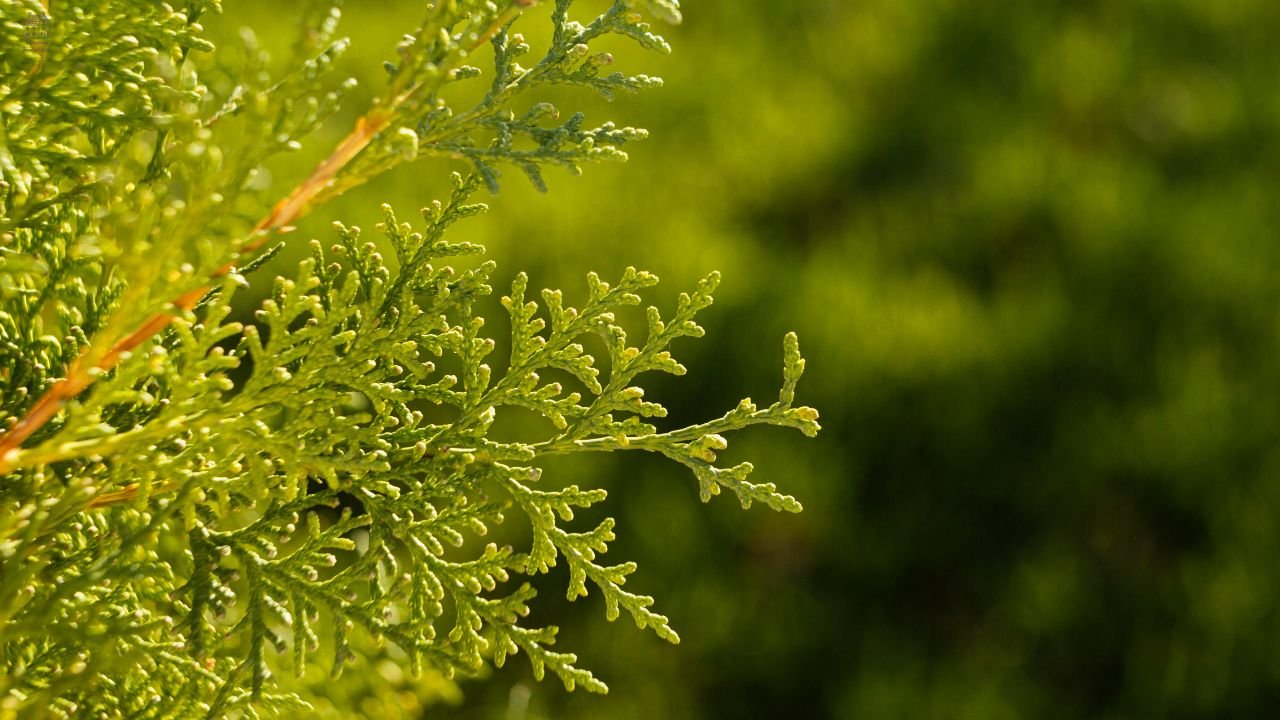
When people first hear the name lemon cypress tree, they often imagine a fruit tree that grows lemons you can squeeze into your tea. That’s a very common mistake—and honestly, you’re not alone if you thought that too.
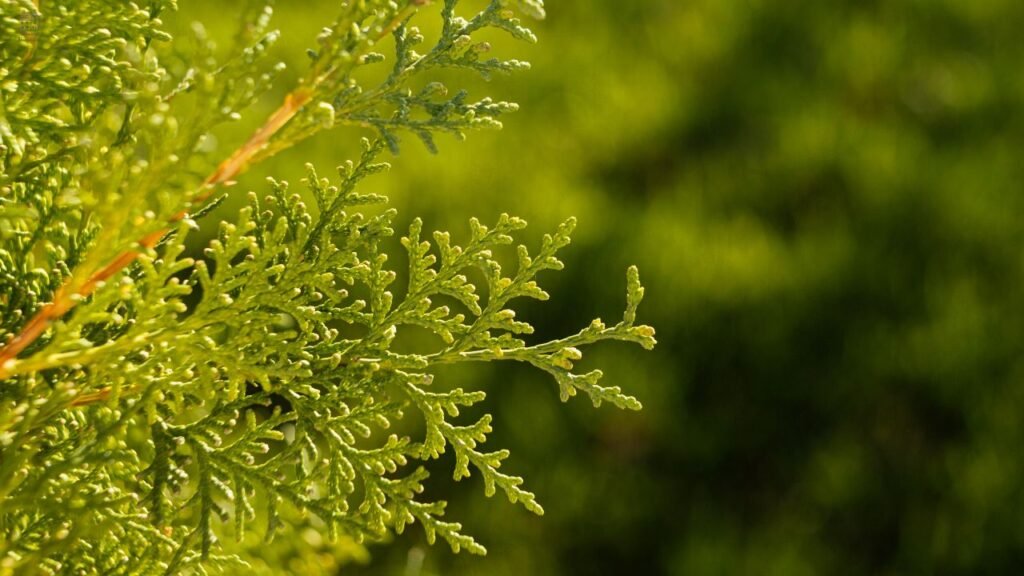
But here’s the fun truth: the lemon cypress tree is not a lemon tree at all. It doesn’t grow lemons, and it doesn’t belong to the citrus family. Instead, it’s a beautiful ornamental plant that looks like a small, glowing green cone and smells like fresh lemon when you gently touch its leaves.
Now, let’s take this step by step so everything becomes super easy to understand—even if you’re completely new to plants. By the end of this section, you’ll feel like you’ve known the lemon cypress tree for years.
🌿 A Plant That Looks Like It Came From a Storybook
The lemon cypress tree is one of those plants that instantly grabs attention. Imagine a small Christmas tree, but instead of dark green needles, it has bright yellow-green leaves that almost glow under sunlight.
People love placing the lemon cypress tree in homes, offices, balconies, and even classrooms because it looks cheerful and fresh. It’s like having a tiny piece of nature that always feels clean and uplifting.
If you walk into a plant shop, the lemon cypress tree is often arranged in a neat cone shape, almost like it was carefully trimmed by nature itself. That’s part of its charm—it looks artistic without much effort.
🌱 So What Exactly Is a Lemon Cypress Tree?
Let’s clear the confusion in the simplest way possible.
The lemon cypress tree is a type of evergreen conifer. That means it stays green all year round and belongs to a group of plants that produce cones instead of flowers or fruits.
Its scientific name is Cupressus macrocarpa ‘Goldcrest’. Don’t worry—you don’t need to remember that long name. Just know that the lemon cypress tree is a special variety of Monterey cypress.
Unlike fruit trees, the lemon cypress tree is grown mainly for decoration. People don’t plant it to harvest anything. Instead, they enjoy its color, shape, and refreshing scent.
Think of it like a natural decoration that stays alive and beautiful all year.
🍋 Why Is It Called “Lemon” If It’s Not a Lemon Tree?
This is one of the most common questions people ask about the lemon cypress tree.
The answer is actually very simple and kind of interesting.
The leaves of the lemon cypress tree release a soft lemon-like smell when you gently brush or crush them. It doesn’t smell strong like artificial perfume—it’s light, fresh, and very natural.
Because of this scent, people started calling it the lemon cypress tree, even though it has nothing to do with actual lemons.
So, the name is based on smell, not fruit.
It’s a bit like naming a candle “vanilla dream” even though it’s not food. It just describes the feeling or scent.
And honestly, this is one of the reasons the lemon cypress tree has become so popular in homes—it smells refreshing without needing any maintenance or effort.
🌼 The Natural Beauty of Its Appearance
One of the most attractive things about the lemon cypress tree is its color.
Unlike regular dark green trees, this plant has a bright golden-green tone. In sunlight, it almost looks like it’s glowing. This makes the lemon cypress tree a favorite for people who want to brighten up indoor spaces.
The shape is usually cone-like, similar to a mini Christmas tree. Some grow tall and elegant, while others stay small and cute in pots.
If you place a lemon cypress tree near a window, it becomes a natural decoration that changes the mood of the room instantly.
It doesn’t need flowers to look beautiful. Its leaves alone do all the work.
🏡 Why People Love Keeping It Indoors
A big reason the lemon cypress tree has become so popular is because it fits perfectly inside homes.
Not every plant can survive indoors easily, but the lemon cypress tree is different. It can grow in pots, making it perfect for apartments, offices, and small spaces.
People love it because:
- It looks like a tiny decorated tree
- It adds natural freshness to rooms
- It doesn’t grow too wild indoors
- It brings a calming green color to your space
Many plant lovers say that having a lemon cypress tree indoors feels like bringing a piece of forest inside your home—but in a very neat and controlled way.
It’s like having nature on your desk without the mess.
🌳 Not a Citrus Tree—Here’s the Big Difference
Let’s make something very clear so there’s no confusion.
Even though it’s called a lemon cypress tree, it is NOT related to lemons, oranges, or any citrus fruits.
A real lemon tree produces edible fruit. The lemon cypress tree does not.
Instead, it belongs to the cypress family, which includes tall evergreen trees often seen in landscapes and gardens.
So if you were hoping to grow lemons from a lemon cypress tree, that won’t happen. But what you do get is something equally beautiful—a decorative plant with a natural lemon fragrance.
It’s more about looks and scent than fruit.
🌿 The Light Lemon Scent That Makes It Special
One of the most surprising things for beginners is the smell of the lemon cypress tree.
When you gently touch the leaves, a fresh lemon fragrance is released. It’s not strong or overpowering. Instead, it feels soft, clean, and calming.
This is completely natural and not added by humans.
The scent is one of the reasons people often place a lemon cypress tree in living rooms, entryways, or workspaces. It makes the environment feel fresher without using sprays or perfumes.
Some people even say it helps them feel more relaxed and focused.
So in a way, the lemon cypress tree is both a visual and sensory experience.
🌞 A Plant That Loves Light
If there’s one thing the lemon cypress tree truly enjoys, it’s sunlight.
In nature, it grows best in bright environments. When it gets enough light, its golden-green color becomes even more vibrant.
Without light, the lemon cypress tree can start to lose its bright appearance and may look dull or weak.
That’s why people often place it near sunny windows or balconies.
Think of it like this: sunlight is the plant’s energy drink. The more it gets, the happier it becomes.
🧠 Common Misunderstandings About Lemon Cypress Tree
There are a few myths that people often believe about the lemon cypress tree:
❌ Myth 1: It grows lemons
No, it never produces fruit.
❌ Myth 2: It smells strongly like lemon all the time
The scent only appears when touched or brushed.
❌ Myth 3: It is hard to care for
Actually, the lemon cypress tree is beginner-friendly if you understand its basic needs.
These misunderstandings often come from the name itself, which can be a bit misleading.
🌿 Why It’s Becoming So Popular Worldwide
The lemon cypress tree has become a favorite in homes across many countries for one simple reason—it combines beauty and simplicity.
You don’t need to be a gardening expert to enjoy it. You don’t need special tools. You just need a little light, some care, and attention.
In return, the lemon cypress tree gives you:
- A refreshing green presence
- A pleasant lemon scent
- A decorative natural shape
- A calming atmosphere
It’s like having a quiet green companion that doesn’t demand too much but always adds value to your space.
🌱 Quick Beginner-Friendly Summary
If we simplify everything:
The lemon cypress tree is a decorative evergreen plant that:
- Looks like a small golden-green Christmas tree
- Smells like lemon when touched
- Does NOT produce fruit
- Grows well in bright spaces
- Is popular for indoor decoration
It’s simple, beautiful, and beginner-friendly.
🌿 Final Thoughts
By now, you probably see the lemon cypress tree in a completely different way.
It’s not just a plant—it’s a natural décor piece, a scent diffuser, and a calming green presence all in one.
And the best part? You don’t need to be an expert to enjoy it. With just a little understanding, anyone can keep a lemon cypress tree healthy and beautiful at home.
In the next section, we’ll go deeper into what it looks like, how it grows, and why its appearance makes it stand out from almost every other indoor plant.