Let’s start with something simple.
Have you ever walked into a room and instantly felt calm?
Or excited?
Or maybe even a little uncomfortable — but you couldn’t explain why?
That feeling usually comes from interior design styles.
Yes, really.
The colors, furniture, lighting, and even how much space is in a room all work together to create a mood. And when those elements follow certain patterns, they form what we call interior design styles.
But here’s the real question:
Why should you care?
Let’s break it down in a simple, friendly way.
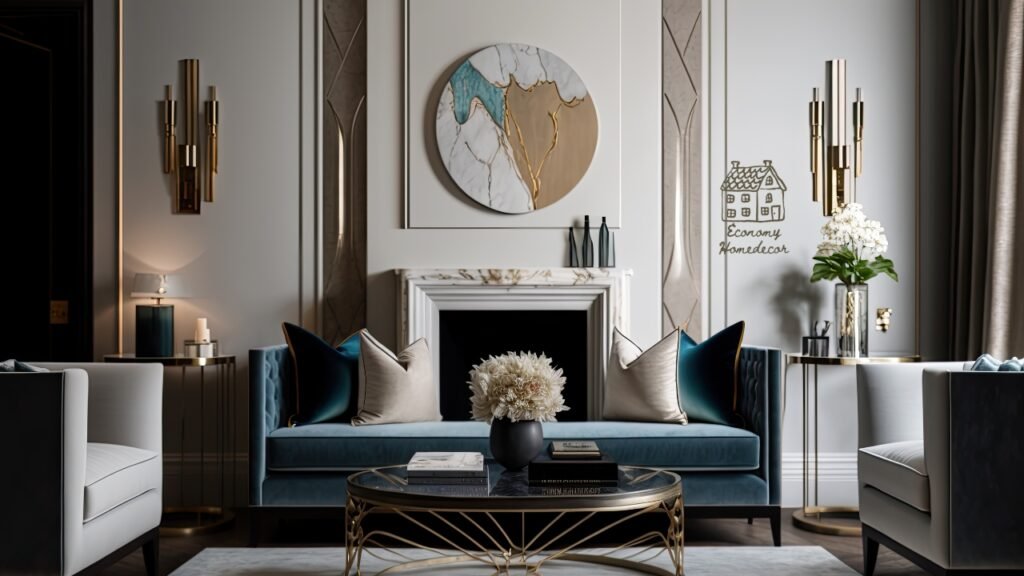
Your Home Affects Your Mood (Every Single Day)
You wake up in your bedroom.
You eat in your kitchen.
You relax in your living room.
That means your home affects you every single day.
When you understand interior design styles, you don’t just decorate. You shape how your home makes you feel.
For example:
- Soft colors and simple furniture (like minimalist or Scandinavian looks) can make you feel calm.
- Warm wood tones and cozy textures (like farmhouse or rustic looks) can make you feel safe.
- Bold patterns and shiny details (like Art Deco or Hollywood Regency) can make you feel energized.
This isn’t random. Designers study how space affects emotions. That’s real experience and real psychology at work.
When you choose the right interior design styles, you’re choosing how your life feels inside your home.
That’s powerful.
It Helps You Avoid Costly Mistakes
Let’s imagine something.
You buy:
- A modern sofa
- A traditional coffee table
- A rustic cabinet
- A glam chandelier
Individually, they’re beautiful.
Together?
Chaos.
This happens when people don’t understand interior design styles. They mix things without knowing how to make them work together.
And guess what that leads to?
- Wasted money
- Frustration
- A room that never feels “right”
When you learn about different interior design styles, you gain clarity. You understand which pieces belong together and which ones clash.
That knowledge saves you money and stress.
It Makes Decorating Easier (And Way More Fun)
Have you ever stood in a furniture store feeling completely lost?
Too many options.
Too many colors.
Too many shapes.
When you understand interior design styles, shopping becomes simple.
Instead of asking:
“What do I like?”
You ask:
“Does this fit my style?”
That one small shift changes everything.
For example:
If your home follows modern interior design styles, you’ll look for:
- Clean lines
- Simple shapes
- Neutral colors
If you love bohemian interior design styles, you’ll search for:
- Patterns
- Textures
- Layered fabrics
See how that narrows things down?
It turns confusion into confidence.
Your Home Starts to Feel Like You
This is where things get personal.
Your home is not a showroom.
It’s your story.
And interior design styles help you tell that story clearly.
Maybe you love calm spaces with light colors and natural light.
Maybe you enjoy bold colors and dramatic lighting.
Maybe you prefer cozy corners with soft blankets.
There are many interior design styles, and each one reflects a different personality.
When you choose a style that matches who you are, your home feels natural — not forced.
You stop copying trends.
You start creating comfort.
That’s when a house becomes home.
It Helps You Create Balance
Let’s use a simple example.
Imagine a room with:
- 10 bright red walls
- Heavy dark furniture
- Tiny windows
- No soft textures
It might feel overwhelming.
Now imagine:
- Soft beige walls
- Light wood furniture
- Big windows
- A soft rug
It feels balanced.
Most interior design styles follow rules of balance, even if they look different from each other.
Modern styles focus on space and simplicity.
Traditional styles focus on symmetry.
Industrial styles balance raw and polished materials.
Understanding interior design styles helps you see these patterns. And once you see them, you can use them.
That’s where real design confidence begins.
Trends Come and Go — But Style Lasts
Every year, new home trends appear:
New colors.
New shapes.
New buzzwords.
But not all trends last.
When you understand core interior design styles, you can tell the difference between:
- A short-term trend
- A timeless look
For example:
Minimalist and Scandinavian interior design styles have stayed popular for years because they are simple and practical.
Some bold trends, on the other hand, fade quickly.
When you know the foundation of interior design styles, you won’t chase every trend. You’ll choose wisely.
That saves money.
And keeps your home feeling fresh longer.
It Improves Function, Not Just Beauty
Design is not only about looks.
It’s also about how things work.
Good interior design styles think about:
- How you move through a room
- Where light enters
- How furniture fits
- How storage works
For example:
Minimalist interior design styles remove clutter.
Industrial interior design styles focus on strong materials.
Coastal interior design styles use light colors to make rooms feel open.
Each one solves problems differently.
When you understand these systems, you can choose a style that fits your real life — not just what looks nice online.
It Makes Small Spaces Feel Bigger
If you live in an apartment or small home, this part is important.
Certain interior design styles are better for small spaces.
For example:
- Minimalist styles reduce clutter.
- Scandinavian styles use light colors.
- Modern styles use simple furniture shapes.
These choices create the feeling of more space.
That’s not magic. It’s design logic.
By understanding interior design styles, you can make even a tiny room feel open and breathable.
It Builds Confidence
There’s something empowering about knowing what you like.
Instead of copying someone else’s home, you start saying:
“I prefer modern.”
“I love farmhouse.”
“I want transitional.”
Learning about interior design styles gives you vocabulary.
It helps you speak clearly with:
- Furniture sellers
- Contractors
- Designers
Confidence grows when you understand your options.
And that confidence shows in your home.
It Brings Emotional Comfort
Let’s talk about feelings for a moment.
After a long day, where do you go?
Home.
Your home should feel:
- Safe
- Peaceful
- Energizing (when needed)
- Comfortable
Different interior design styles create different emotional effects.
Rustic styles feel warm and grounded.
Modern styles feel clean and fresh.
Bohemian styles feel creative and free.
When your space matches your emotional needs, you feel better inside it.
That’s not decoration.
That’s life improvement.
It Creates Harmony Throughout Your Home
One of the biggest mistakes people make is decorating each room completely differently.
Living room: modern
Bedroom: vintage
Kitchen: industrial
Bathroom: tropical
The result?
It feels disconnected.
When you understand interior design styles, you can create flow from one room to another.
That doesn’t mean every room must look identical.
It means:
- Colors connect
- Materials relate
- The mood feels consistent
That harmony makes your entire home feel intentional.
It Helps You Invest Smartly
Furniture is not cheap.
When you buy timeless pieces that fit your chosen interior design styles, they last longer in your home.
Instead of replacing items every year, you build slowly and carefully.
That’s smart decorating.
And smart decorating comes from understanding interior design styles deeply.
Why This Guide Matters for You
In this guide, we will explore:
- The most popular interior design styles
- The difference between modern and contemporary
- How to choose your perfect style
- How to mix styles properly
- Which styles work best for small spaces
- What trends are rising
By the end, you won’t feel confused anymore.
You’ll feel clear.
And that clarity is the first step toward a home you truly love.
A Quick Reality Check
You don’t need to memorize 20 styles.
You don’t need to become a professional designer.
You just need to understand the basics of interior design styles and how they relate to your life.
That’s it.
Simple.
Clear.
Practical.
And a little fun, too.