
Some of the most effective cleaning solutions aren’t found in expensive specialty products—they’re already sitting in your home. That’s one reason hydrogen peroxide and baking soda have become a trusted combination for homeowners looking to tackle stains, odors, and everyday messes.
From brightening laundry to refreshing grout and removing stubborn buildup, hydrogen peroxide and baking soda can work together to create a powerful cleaning solution. Their versatility, affordability, and ease of use make them household staples in many homes around the world.
While each ingredient is effective on its own, combining them can enhance cleaning performance in many situations. Understanding when and how to use this mixture can help you clean more efficiently while reducing reliance on harsher chemical products.
This guide explores the benefits, practical applications, safety considerations, and best ways to use this popular cleaning combination throughout your home.
Understanding Hydrogen Peroxide and Baking Soda
Before using any cleaning mixture, it’s helpful to understand how each ingredient works.
What Is Hydrogen Peroxide?
Hydrogen peroxide is a chemical compound commonly used for:
- Cleaning
- Disinfecting
- Whitening
- Oxidizing stains
- Surface sanitation
Household hydrogen peroxide is typically available in a 3% solution, making it suitable for many cleaning applications.
What Is Baking Soda?
Baking soda, also known as sodium bicarbonate, is a mild alkaline powder valued for its ability to:
- Neutralize odors
- Absorb moisture
- Remove stains
- Gently scrub surfaces
- Balance pH levels
Its non-abrasive nature makes it suitable for many household tasks.
Why They Work Well Together
The effectiveness of hydrogen peroxide and baking soda comes from their complementary properties.
Hydrogen peroxide helps break down organic stains, while baking soda provides mild abrasion and odor-neutralizing capabilities. Together, they create a cleaning paste that can address a variety of household challenges.
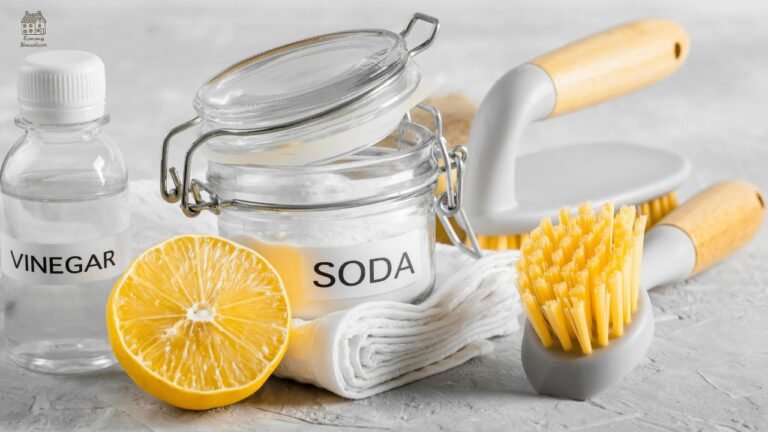
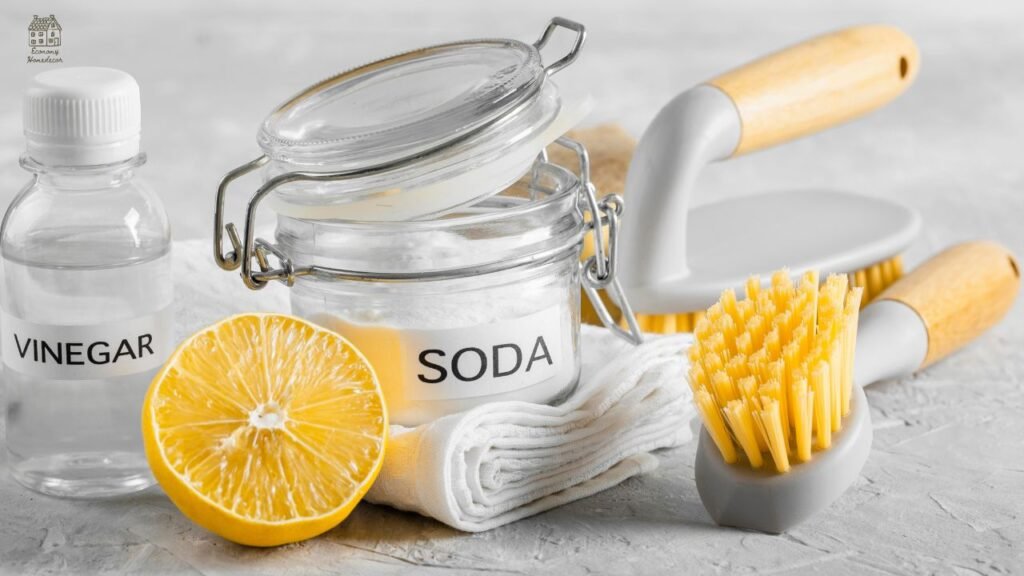
[IMAGE: Hydrogen peroxide bottle and baking soda with cleaning supplies]
Benefits of Using Hydrogen Peroxide and Baking Soda
The popularity of this combination stems from its versatility and accessibility.
Cost-Effective Cleaning
Most households can purchase both ingredients at a relatively low cost.
Benefits include:
- Budget-friendly cleaning
- Widely available products
- Multiple household uses
- Reduced need for specialized cleaners
Effective Stain Removal
Many homeowners rely on hydrogen peroxide and baking soda to treat:
- Food stains
- Sweat stains
- Carpet marks
- Upholstery spots
- Grout discoloration
The combination often helps loosen and lift stubborn residue.
Odor Neutralization
Unpleasant odors can linger in fabrics and surfaces.
This mixture may help address smells caused by:
- Pets
- Food spills
- Mildew
- Athletic gear
Baking soda plays a particularly important role in odor control.
Household Cleaning Applications
The combination can be used in numerous areas around the home.
Bathroom Cleaning
Bathrooms frequently accumulate soap scum, grime, and stains.
Common applications include:
- Sink cleaning
- Tub scrubbing
- Tile maintenance
- Grout restoration
A simple paste can help remove buildup while freshening surfaces.
Kitchen Cleaning
Kitchen surfaces often benefit from the cleaning power of hydrogen peroxide and baking soda.
Potential uses include:
- Countertop cleaning
- Sink deodorizing
- Appliance maintenance
- Stain treatment
Always verify compatibility with delicate surfaces before application.
[IMAGE: Cleaning kitchen surfaces with baking soda paste]
Trash Can Freshening
Trash containers can develop persistent odors.
A baking soda and hydrogen peroxide treatment may help:
- Neutralize smells
- Remove residue
- Improve cleanliness
Regular maintenance keeps odors under control.
Using Hydrogen Peroxide and Baking Soda for Laundry
Laundry remains one of the most common uses for this cleaning combination.
Removing Sweat Stains
Sweat stains often affect:
- Shirts
- Athletic clothing
- Undershirts
- Uniforms
Many people use hydrogen peroxide and baking soda as a pre-treatment for these difficult marks.
Brightening White Fabrics
White fabrics may become dull over time.
Benefits include:
- Improved brightness
- Stain reduction
- Odor removal
- Fabric refreshment
Always check care labels before treatment.
Treating Food and Beverage Stains
The mixture may assist with stains caused by:
- Coffee
- Tea
- Juice
- Sauces
Prompt treatment generally improves results.
Carpet and Upholstery Cleaning
Soft surfaces frequently trap dirt, odors, and stains.
Spot Cleaning Carpets
For localized stains:
- Remove excess debris.
- Apply cleaning mixture.
- Allow brief contact time.
- Blot gently.
- Rinse if necessary.
This method can help improve carpet appearance.
Upholstery Maintenance
Furniture fabrics may benefit from careful spot treatments.
Always:
- Test first
- Follow manufacturer instructions
- Avoid oversaturation
Proper technique minimizes risk of damage.
Pet Accident Cleanup
Many homeowners use hydrogen peroxide and baking soda to address pet-related odors and stains.
The combination may help:
- Break down organic residue
- Reduce lingering smells
- Improve fabric freshness
Grout and Tile Cleaning
Grout often collects dirt that standard cleaning methods struggle to remove.
Making a Cleaning Paste
Basic recipe:
- Baking soda
- Hydrogen peroxide
Mix until a thick paste forms.
Apply directly to grout lines for targeted cleaning.
[IMAGE: Infographic showing grout cleaning process]
Scrubbing Techniques
For best results:
- Apply paste evenly
- Let sit briefly
- Scrub gently
- Rinse thoroughly
Consistent maintenance can help prevent severe buildup.
Restoring Appearance
Over time, grout may appear darker due to accumulated dirt.
Regular cleaning can help:
- Brighten grout lines
- Improve appearance
- Extend surface longevity
Odor Removal Applications
One of the strongest advantages of hydrogen peroxide and baking soda is odor control.
Shoes and Athletic Equipment
Common applications include:
- Sneakers
- Gym bags
- Sports gear
The mixture can help reduce persistent odors.
Refrigerators
Refrigerators occasionally develop unwanted smells.
Use the combination to:
- Clean shelves
- Remove residue
- Freshen interior surfaces
Pet Areas
Pet bedding and accessories may benefit from periodic odor-control treatments.
Proper cleaning helps maintain a fresher environment.
Safety Considerations
Even common household ingredients should be used responsibly.
Wear Protective Gloves
Gloves help protect skin during extended cleaning sessions.
Benefits include:
- Reduced irritation
- Improved comfort
- Better handling of cleaning tasks
Avoid Mixing with Certain Products
Never combine hydrogen peroxide with incompatible cleaning chemicals.
Always follow product instructions and use caution.
Test Surfaces First
Before using hydrogen peroxide and baking soda on any surface:
- Test an inconspicuous area
- Observe reactions
- Confirm compatibility
This step helps prevent accidental damage.
Common Mistakes to Avoid
Understanding common errors improves cleaning results.
Making Excessive Quantities
Fresh mixtures generally perform best when prepared immediately before use.
Using on Delicate Materials
Some materials may react poorly.
Examples include:
- Certain natural stones
- Delicate fabrics
- Specialty finishes
Always verify suitability first.
Expecting Instant Results
Some stains require:
- Repeated applications
- Additional soaking time
- Gentle scrubbing
Patience often improves outcomes.
Environmental Advantages
Many homeowners appreciate the environmental benefits associated with these ingredients.
Reduced Product Consumption
Using multipurpose cleaners can reduce:
- Product clutter
- Packaging waste
- Cleaning supply expenses
Simple Ingredients
The popularity of hydrogen peroxide and baking soda stems partly from their straightforward composition and broad usefulness.
Versatile Household Solution
Few cleaning combinations offer such a wide range of applications throughout the home.