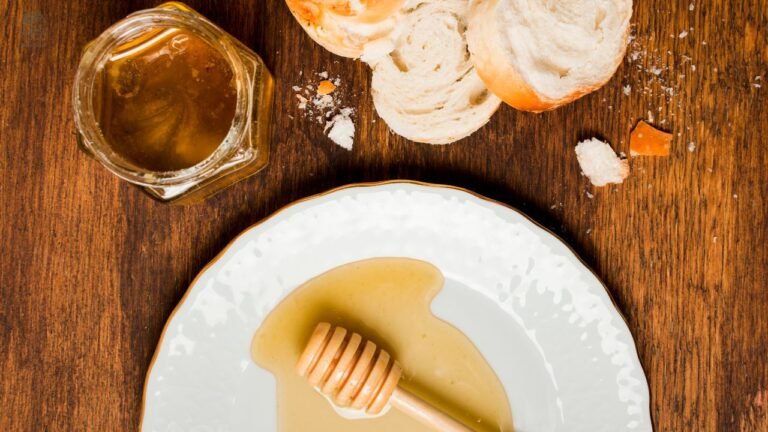
Few household spills seem as harmless as honey—until you discover a sticky stain on your favorite shirt, carpet, or sofa. If you’ve ever wondered how to remove honey stains, you’re not alone. Honey may be natural and delicious, but its sugary composition can quickly create stubborn marks if left untreated.

The good news is that learning how to remove honey stains is usually easier than many people expect. With the right techniques and a quick response, most honey stains can be removed successfully from fabrics, upholstery, carpets, and even hard surfaces.
Whether you’re dealing with a fresh spill or an old sticky spot that has hardened over time, understanding the proper cleaning process can save your belongings from permanent damage. This guide covers everything you need to know to tackle honey stains effectively and confidently.
Understanding Honey Stains
Before attempting stain removal, it helps to understand why honey behaves differently from other spills.
Honey contains natural sugars, enzymes, and moisture. While it may appear simple, its sticky texture allows it to cling tightly to fibers and surfaces. Over time, honey can attract dirt and dust, making stains even more noticeable.
Why Honey Stains Can Be Difficult to Remove
Several factors contribute to the challenge:
- High sugar content
- Sticky consistency
- Ability to penetrate fibers
- Attraction of dirt and debris
- Potential discoloration over time
Fortunately, honey is water-soluble, which means many stains respond well to proper cleaning techniques.
The Importance of Acting Quickly
The sooner you address a spill, the easier it becomes to remove.
Fresh honey stains are generally easier to treat because:
- Sugar hasn’t hardened
- Fibers remain less saturated
- Dirt hasn’t accumulated
- Discoloration is minimal
Prompt action often reduces cleaning time significantly.
[IMAGE: Person blotting fresh honey stain from fabric]
Essential Supplies for Honey Stain Removal
Having the right tools makes stain treatment more effective.
Basic Cleaning Supplies
Keep these items nearby:
- Clean white cloths
- Soft sponge
- Mild dish soap
- Warm water
- Soft-bristle brush
- Spray bottle
- Laundry detergent
- Paper towels
These supplies handle most common honey stain situations.
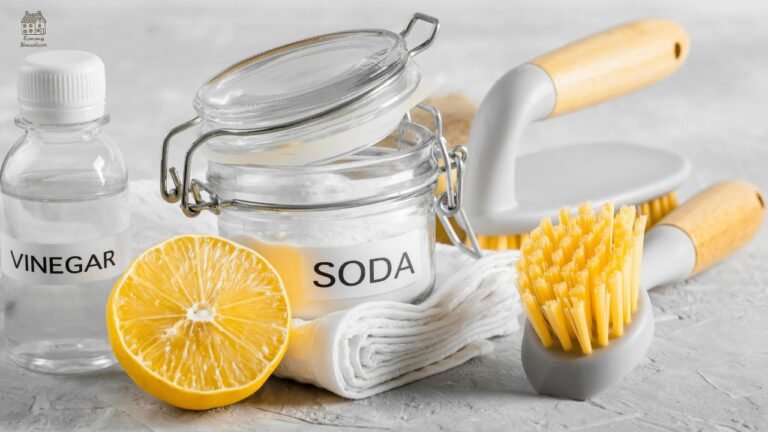
Optional Deep-Cleaning Products
For stubborn stains, consider:
- White vinegar
- Baking soda
- Oxygen-based stain remover
- Upholstery cleaner
- Carpet cleaning solution
Always test cleaning products on a hidden area first.
How to Remove Honey Stains from Clothing
Clothing is one of the most common victims of honey spills.
Step 1: Remove Excess Honey
Before washing, gently scrape away as much honey as possible.
Use:
- Spoon
- Butter knife
- Plastic scraper
Avoid rubbing, which can push honey deeper into fabric fibers.
Step 2: Rinse with Warm Water
One of the first steps in how to remove honey stains from clothing involves flushing out the sugar.
Hold the stained area under warm running water from the back side of the fabric. This helps push the residue out instead of driving it deeper into the material.
Step 3: Apply Dish Soap
Dish soap works exceptionally well because it breaks down sticky residues.
Instructions:
- Apply a small amount directly to the stain.
- Gently massage into fibers.
- Let sit for 10–15 minutes.
- Rinse thoroughly.
Step 4: Launder as Usual
Wash according to the garment’s care label.
Before drying:
- Inspect the stain carefully.
- Repeat treatment if necessary.
- Avoid machine drying until stain removal is complete.
Heat can permanently set remaining residue.
How to Remove Honey Stains from Carpet
Carpet fibers can trap honey quickly, making prompt treatment important.
Blot the Spill Immediately
Use paper towels or a clean cloth to absorb excess honey.
Remember:
- Blot gently
- Avoid scrubbing
- Work from outside inward
This prevents spreading.
[IMAGE: Cleaning honey stain from carpet fibers]
Prepare a Cleaning Solution
Mix:
- 2 cups warm water
- 1 tablespoon mild dish soap
Stir gently until combined.
Apply and Blot
Dampen a clean cloth with the solution.
Then:
- Dab the stain
- Allow a few minutes of contact time
- Blot repeatedly
Continue until residue transfers onto the cloth.
Rinse and Dry
Use clean water to remove soap residue.
Blot dry and allow the carpet to air dry completely.
How to Remove Honey Stains from Upholstery
Furniture fabrics require extra care.
Check Manufacturer Instructions
Before treatment:
- Read upholstery tags
- Verify cleaning recommendations
- Test products in hidden areas
Different materials require different approaches.
Gentle Cleaning Method
For most upholstery:
- Remove excess honey.
- Mix mild soap with warm water.
- Dampen a microfiber cloth.
- Blot carefully.
- Remove moisture with a dry cloth.
This approach minimizes fabric stress.
Dealing with Older Upholstery Stains
When learning how to remove honey stains, many people struggle most with older stains.
For dried residue:
- Apply warm water first
- Allow softening time
- Blot gently
- Repeat cleaning process
Patience is often more effective than aggressive scrubbing.
Removing Honey Stains from Hard Surfaces
Honey frequently lands on countertops, tables, and floors.
Wood Surfaces
For finished wood:
- Wipe excess honey immediately
- Use warm water and mild soap
- Dry thoroughly
Avoid excessive moisture exposure.
Stone Countertops
Granite and quartz generally tolerate gentle cleaning well.
Use:
- Soft cloth
- Mild cleaner
- Warm water
Avoid abrasive scrubbing pads.
Tile and Laminate Floors
Honey residue can create slippery conditions.
Clean with:
- Warm water
- Floor-safe cleaner
- Microfiber mop
Dry completely after cleaning.
[IMAGE: Infographic showing honey stain removal steps]
How to Remove Dried Honey Stains
Dried honey often appears more intimidating than fresh spills.
Soften Before Cleaning
Never scrape aggressively.
Instead:
- Apply warm water
- Let sit 5–10 minutes
- Gently loosen residue
Softening reduces fiber damage.
Use Vinegar Solution
A vinegar solution can help dissolve stubborn sugar buildup.
Mix:
- One part white vinegar
- Two parts warm water
Apply carefully and blot.
Repeat as Necessary
Some older stains require multiple treatments.
Continue until:
- Sticky residue disappears
- Discoloration fades
- Surface feels clean
Persistence often delivers the best results.
Natural Methods for Honey Stain Removal
Many homeowners prefer natural cleaning solutions.
Baking Soda Paste
Create a paste using:
- Baking soda
- Small amount of water
Apply to stubborn areas and allow brief contact before rinsing.
White Vinegar Treatment
Vinegar helps break down sticky residues naturally.
Benefits include:
- Affordable
- Readily available
- Effective on sugar-based stains
Lemon Juice
Lemon juice may assist with light stain removal.
However:
- Test first
- Avoid delicate fabrics
- Rinse thoroughly afterward
Common Mistakes to Avoid
When figuring out how to remove honey stains, avoiding mistakes is just as important as using the correct techniques.
Using Hot Water Immediately
Hot water can sometimes spread sticky residue before removal begins.
Warm water is generally safer initially.
Scrubbing Aggressively
Excessive scrubbing may:
- Damage fibers
- Spread stains
- Create fabric wear
Blotting remains the preferred approach.
Drying Before Inspection
Machine dryers can permanently set partially removed stains.
Always inspect carefully before drying.
Ignoring Care Labels
Different materials respond differently to cleaning methods.
Follow manufacturer recommendations whenever possible.
Preventing Future Honey Stains
Prevention is always easier than cleanup.
Use Protective Surfaces
Consider:
- Placemats
- Tablecloths
- Serving trays
These barriers reduce accidental spills.
Store Honey Properly
Keep containers:
- Sealed tightly
- Upright
- Away from edges
Proper storage minimizes messes.
Clean Spills Immediately
Quick action remains the most effective prevention strategy against lasting stains.
FAQ
Is honey a permanent stain?
No. In most cases, honey stains can be completely removed if treated properly and promptly.
Does warm water remove honey?
Yes. Because honey is water-soluble, warm water is often highly effective during initial treatment.
Can honey stain clothes permanently?
Honey itself rarely causes permanent damage, but untreated stains may attract dirt and discolor over time.
What removes dried honey stains?
Warm water, dish soap, and vinegar solutions are often effective for loosening dried honey residue.
Can I use baking soda on honey stains?
Yes. Baking soda can help absorb residue and assist with stain removal when used correctly.
Is vinegar safe for removing honey stains?
White vinegar is generally safe for many surfaces and fabrics when diluted appropriately.
Should I wash stained clothing immediately?
Yes. After pre-treating the stain, laundering the garment promptly improves removal success.
How do I remove honey stains from upholstery?
Blot excess honey, use a mild soap solution, and clean gently while following the manufacturer’s care instructions.
Final thoughts:
Honey may be sweet, but the stains it leaves behind can be frustrating if not handled correctly. Fortunately, understanding how to remove honey stains allows you to tackle spills quickly and effectively before they become long-term problems.
Whether you’re cleaning clothing, carpets, upholstery, or hard surfaces, the key is acting promptly, using gentle cleaning methods, and avoiding excessive heat until the stain is fully removed. With the techniques outlined in this guide, most honey stains can be eliminated successfully, helping your fabrics and surfaces look fresh and clean once again.