
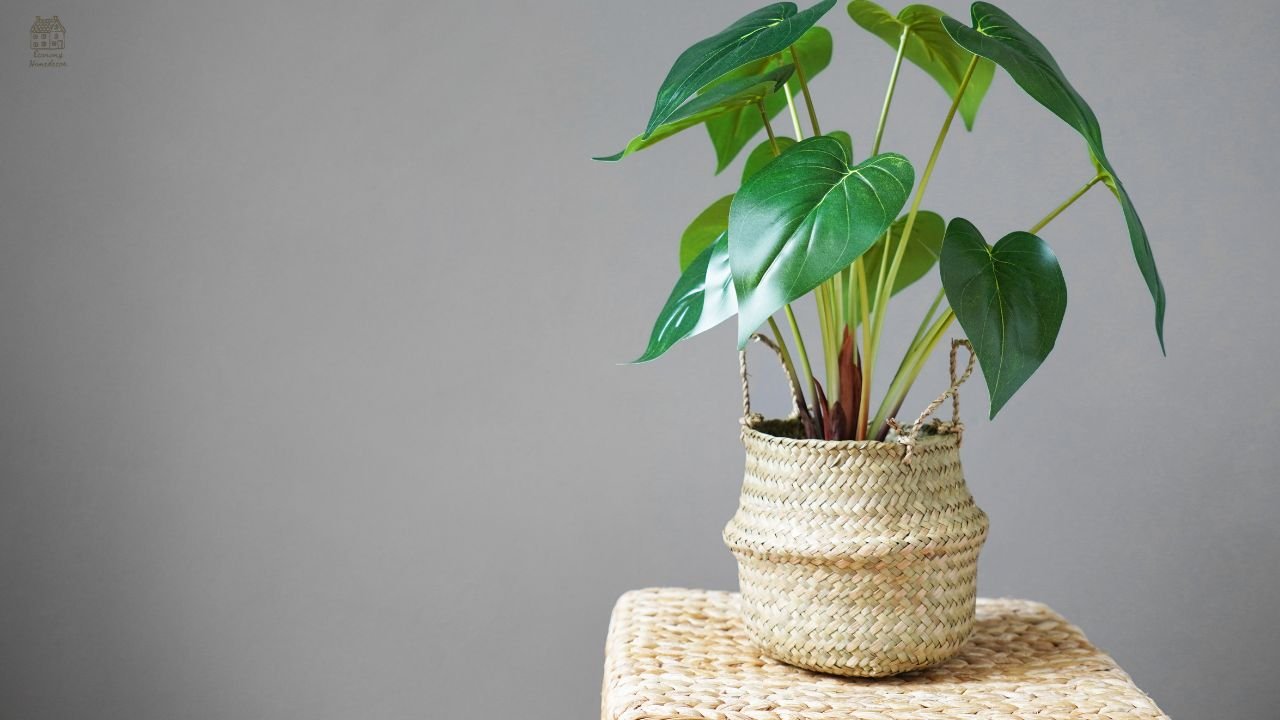
What Is Hawaiian Pothos? (Clear and Simple Explanation)
If you’ve ever walked into a plant shop and felt your eyes instantly lock onto a plant with big, shiny, green leaves that look like they belong in a tropical jungle… there’s a good chance you were looking at hawaiian pothos.
Now here’s the fun part—this plant has a bit of an identity problem. Some people call it “Hawaiian pothos,” others just say pothos, and a few even think it’s a totally different plant species. But don’t worry, you’re not confused… the plant world just loves giving names that make things tricky.
At its core, hawaiian pothos belongs to a plant family that is famous for being almost impossible to kill. Yes, you read that right. Even if you forget to water it for a few days (or even a week), it usually forgives you and keeps growing like nothing happened. That’s why beginners absolutely love it.
Scientifically, this plant is part of a species called Epipremnum aureum. That might sound fancy, but think of it like a “family name.” Within this family, different plants can look slightly different depending on how they grow, how much light they get, and even how they are trained (like climbing or hanging).
So when people say hawaiian pothos, they are usually talking about a version of pothos that has:
- Bigger leaves than usual
- Faster, more dramatic growth
- A lush, jungle-like appearance
- A strong climbing nature if given support
Imagine a plant that slowly turns your room into a mini rainforest. That’s the vibe.
But here’s where things get interesting…
Why the Name “Hawaiian Pothos” Confuses Everyone
Let’s clear something up right away hawaiian pothos is not always a strict scientific label. In many cases, it’s more of a “nickname” used by plant sellers.
Why? Because plants don’t always grow in one fixed style. Two pothos plants can come from the same mother plant but still look different depending on how they are treated.
For example:
- One gets bright sunlight → grows larger leaves
- One stays in low light → grows smaller leaves
- One climbs a pole → grows huge dramatic leaves
- One hangs down → grows long vines with smaller leaves
All of these can still be called pothos, but the “Hawaiian” version usually refers to the big, bold, jungle-style growth.
So when you hear hawaiian pothos, think of it like this:
👉 It’s not a separate species
👉 It’s more like a “luxury growth style” of pothos
It’s like calling a tall, athletic version of a dog breed a “champion version.” Same base, just more dramatic growth.
And honestly, that’s part of its charm.
The Emotional Appeal of Hawaiian Pothos
Let’s talk feelings for a moment.
Why do so many plant lovers get excited when they see hawaiian pothos?
Because it feels alive in a very powerful way.
This plant doesn’t just sit quietly in a pot. It grows. It spreads. It explores. It climbs if you let it. It trails if you don’t stop it.
It feels like it’s constantly saying:
👉 “Hey, I’m growing with you.”
That emotional connection is why beginners often fall in love with it within days.
Some people even say it makes their room feel:
- Calmer
- Fresher
- More peaceful
- More “alive”
And honestly, they’re not wrong. A healthy hawaiian pothos can completely change the mood of a space.
Is Hawaiian Pothos a Real Plant or Just a Name?
This is one of the most searched questions on Google—and for good reason.
Let’s answer it simply:
👉 Yes, hawaiian pothos is real in terms of plant identity
👉 But no, it is not a separate scientific species
Think of it like hairstyles.
Same person → different haircuts → different look.
Same plant → different growing conditions → different appearance.
So when someone says hawaiian pothos, they are usually describing:
- A pothos plant grown in ideal tropical-like conditions
- A plant with large, lush leaves
- A healthy, mature vine with strong growth
But it is still part of the same plant family.
This is where many beginners get confused, especially when they see different plant photos online. One picture shows huge leaves, another shows small vines, and they wonder:
“Wait… is this even the same plant?”
Yes. It is. Just grown differently.
And that’s actually good news—because it means you can influence how your hawaiian pothos looks.
What Makes Hawaiian Pothos So Special?
Let’s be honest—there are many houseplants out there. So why does hawaiian pothos stand out?
Here are a few simple reasons:
1. It grows fast (like really fast)
If you give it the right conditions, you might literally see new leaves forming every few days.
That feeling of “it’s growing!” is addictive.
2. It forgives mistakes
Forget to water it? It survives.
Put it in slightly low light? It adapts.
Not many plants are this chill.
That’s why hawaiian pothos is often called a “beginner-friendly superstar.”
3. It can change its look
This is the coolest part.
Same plant, but different lifestyle:
- Hang it → long vines
- Let it climb → big dramatic leaves
- Give bright light → richer growth
It’s like the plant has different “modes.”
4. It makes spaces feel alive
There’s something about its flowing vines that makes a room feel softer and more natural.
Even a boring corner suddenly feels like a cozy green escape when you place hawaiian pothos there.
Hawaiian Pothos and Its Natural Behavior
Let’s imagine you are a tiny plant living in a rainforest. What would you do?
You would probably:
- Stretch toward light
- Climb trees for support
- Spread your leaves wide to catch sun
That’s exactly what hawaiian pothos is wired to do.
This plant is a natural climber.
If you give it a pole, it will:
👉 Grow bigger leaves
👉 Grow stronger stems
👉 Look more “wild jungle”
If you let it hang freely, it will:
👉 Trail downward
👉 Grow longer vines
👉 Look more delicate and flowing
So you’re not just owning a plant—you’re basically guiding its personality.
Why Hawaiian Pothos Looks Different in Every Home
This is something many people don’t realize.
Your friend’s hawaiian pothos might look completely different from yours, even if they were bought from the same store.
Why?
Because plants respond to their environment like living learners.
Here’s what changes them:
🌞 Light
More light = bigger leaves
Less light = smaller leaves
💧 Water
Balanced water = healthy growth
Too much = root problems
Too little = slow growth
🪴 Support
Climbing support = dramatic growth
No support = trailing vines
🌡️ Temperature
Warm environment = faster growth
Cold environment = slow growth
So basically, your hawaiian pothos is like a reflection of how you care for it.
That’s what makes it feel personal.
A Plant That Rewards Patience
One of the most beautiful things about hawaiian pothos is that it rewards you slowly but beautifully.
You won’t see magic overnight.
But you will notice:
- New leaves appearing
- Vines getting longer
- Leaves getting bigger
- A fuller, greener plant over time
And that slow transformation feels incredibly satisfying.
It’s like watching a story unfold right in your room.
Simple Truth About Hawaiian Pothos
Let’s keep it very real and simple:
- It is not rare
- It is not complicated
- It is not fragile
- It is not high-maintenance
It is just a plant that thrives when you treat it with basic care and a little attention.
And when you do that, hawaiian pothos gives you back something even better:
👉 A living, growing piece of nature inside your home
What You Should Remember Before Moving Forward
Before we jump into care guides and deeper science, here’s the big picture:
- hawaiian pothos is a tropical vine plant
- It grows differently depending on environment
- It is beginner-friendly and forgiving
- It can climb or trail depending on support
- It becomes more beautiful with time and care
And most importantly…
It is a plant that grows with you.