
Introduction
Modern medicine has transformed dramatically over the last two decades, but few innovations have captured public attention quite like da vinci robotic surgery. What once sounded like science fiction is now a trusted surgical approach used in hospitals worldwide for everything from prostate procedures to heart surgery.
Patients today want more than successful outcomes. They want smaller scars, faster recovery times, reduced pain, and greater confidence before entering the operating room. That’s exactly why robotic-assisted procedures have become increasingly popular among both surgeons and patients.
Unlike traditional open surgery, robotic-assisted systems allow surgeons to perform highly precise movements through tiny incisions. The technology doesn’t replace the surgeon—it enhances human capability with advanced visualization, improved dexterity, and unmatched precision.
For many people facing surgery, understanding how robotic procedures work can reduce anxiety and help them make informed healthcare decisions. Whether you’re considering treatment yourself or researching options for a loved one, learning the facts behind this surgical advancement matters more than ever.
What Is Da Vinci Robotic Surgery?
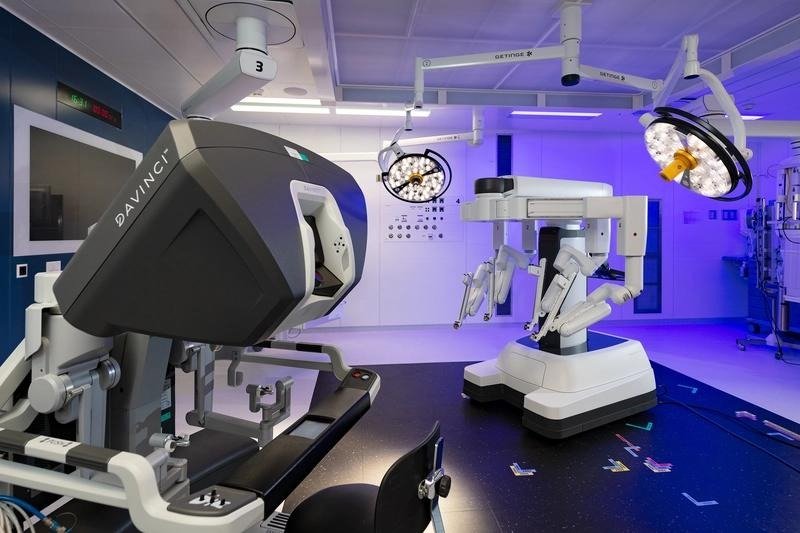
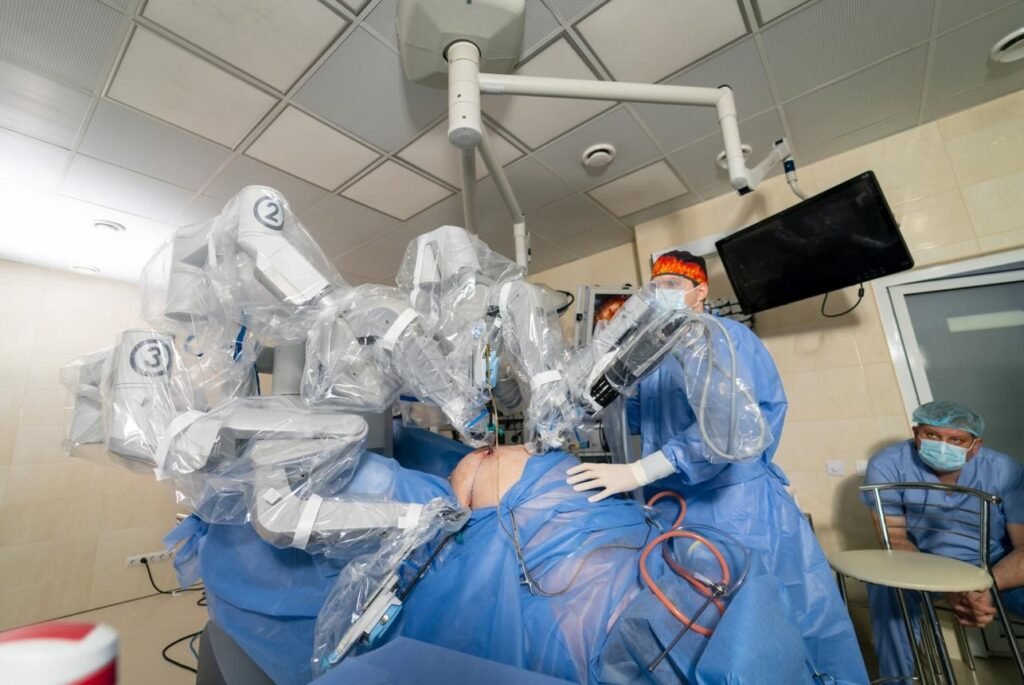
da vinci robotic surgery is a minimally invasive surgical system designed to help surgeons perform complex procedures with enhanced accuracy and control. Developed by Intuitive Surgical, the system combines robotic arms, high-definition imaging, and surgeon-controlled instruments.
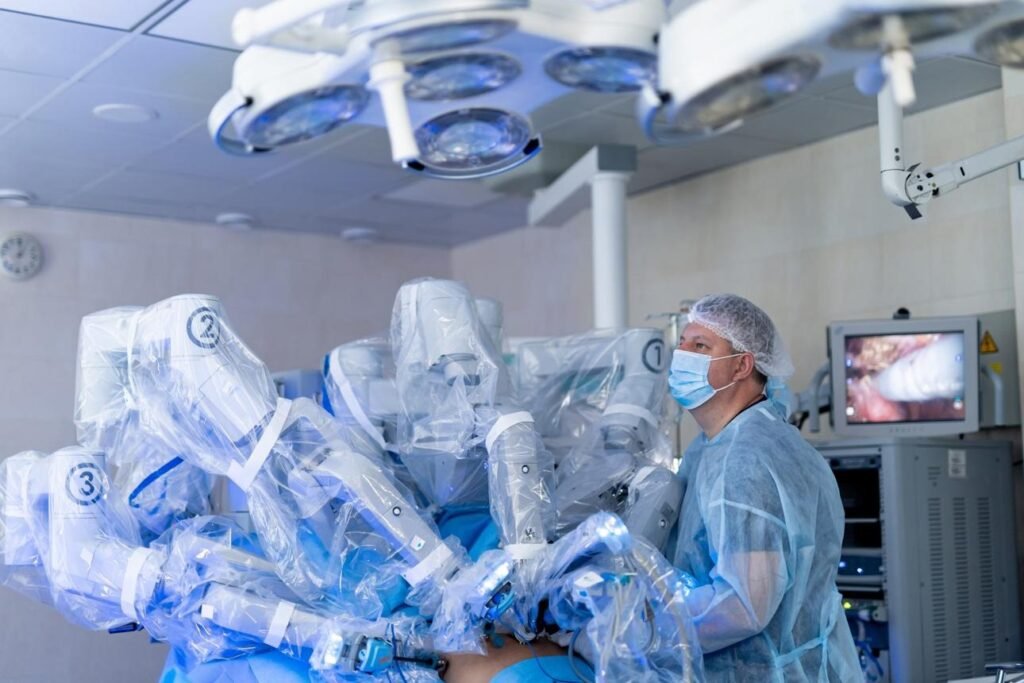
Despite the name, the robot does not operate independently. Every movement is directed entirely by a trained surgeon seated at a nearby console. The robotic system translates the surgeon’s hand movements into smaller, more precise actions inside the patient’s body.
How the System Works
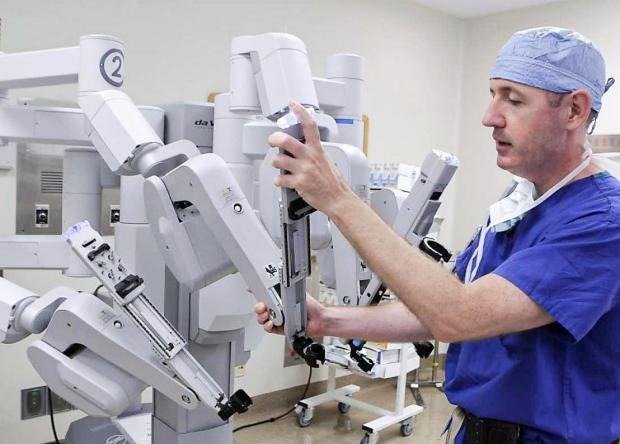
The technology typically includes three main components:
- A surgeon console
- Patient-side robotic arms
- A high-definition 3D visualization system
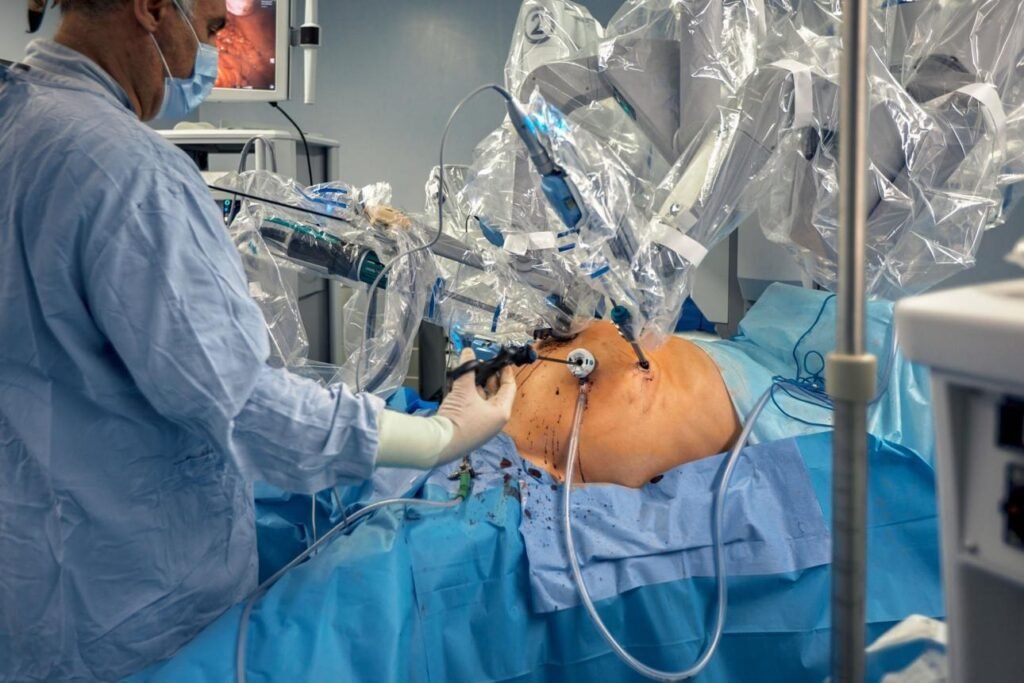
During surgery, tiny instruments are inserted through small incisions. The surgeon views a magnified 3D image of the surgical site while controlling the robotic instruments with hand and foot controls.
This setup allows movements that are steadier and more flexible than the human wrist alone.
Why It’s Different From Traditional Surgery
Traditional open surgery often requires large incisions and longer recovery periods. Laparoscopic surgery improved this by using smaller cuts, but robotic systems provide even greater control and visualization.
Key differences include:
| Traditional Surgery | Robotic Surgery |
| Larger incisions | Small incisions |
| Limited flexibility | Enhanced instrument movement |
| Longer recovery | Faster recovery |
| More blood loss | Reduced blood loss |
| Flat camera view | 3D high-definition view |
For many patients, these differences translate into less pain and shorter hospital stays.
Common Procedures Performed With Robotic Assistance
The use of robotic-assisted surgery has expanded rapidly across multiple medical specialties. Surgeons now perform thousands of procedures annually using robotic systems.
Urologic Surgery
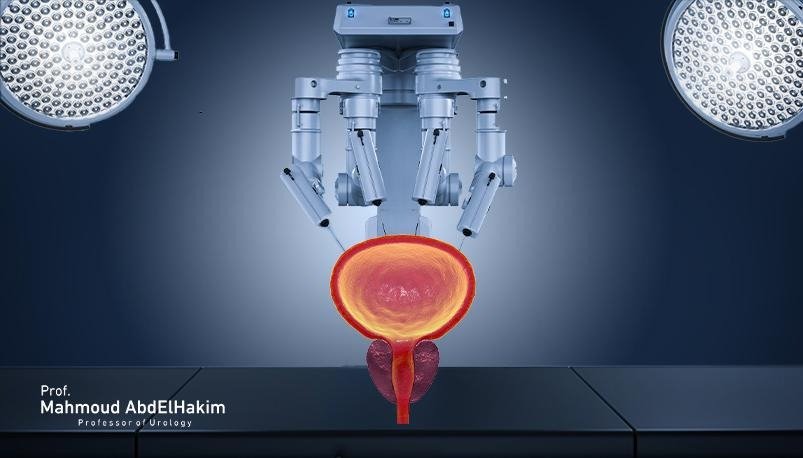
Urology remains one of the most common areas for robotic procedures.
Common examples include:
- Prostate cancer surgery
- Kidney surgery
- Bladder reconstruction
Robotic precision is especially valuable in delicate areas containing nerves and blood vessels.
Gynecologic Procedures
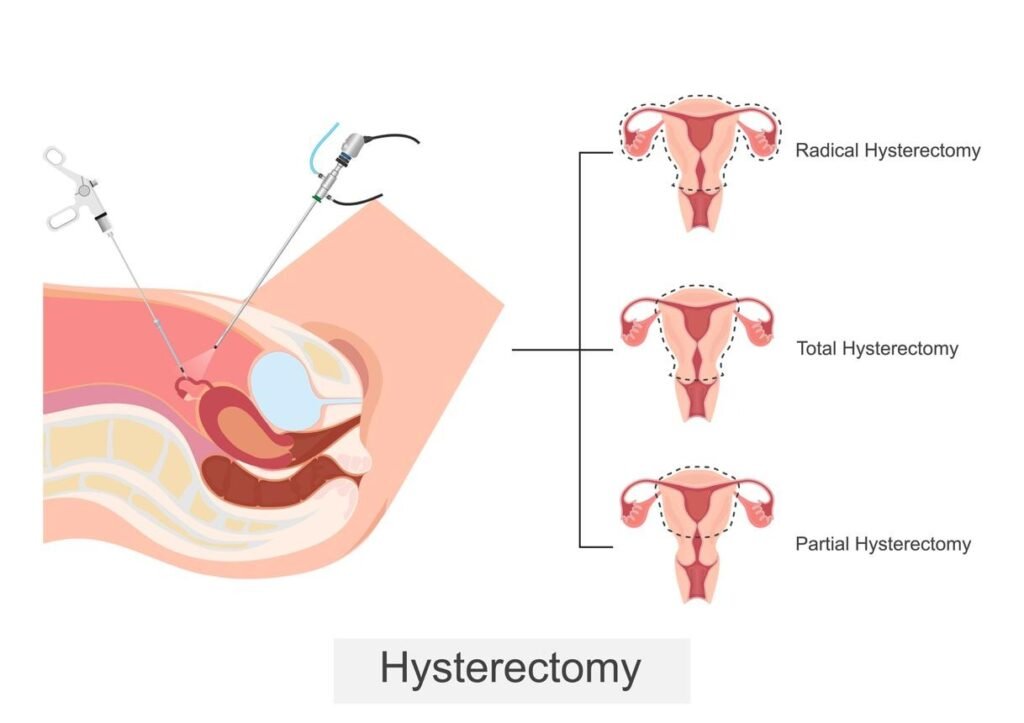
Gynecologists frequently use robotic systems for:
- Hysterectomies
- Endometriosis treatment
- Fibroid removal
- Pelvic organ prolapse repair
The minimally invasive nature of these procedures often helps patients return to daily activities more quickly.
General Surgery Applications
Robotic technology is also used in:
- Hernia repair
- Gallbladder removal
- Colon surgery
- Bariatric surgery
Many hospitals now offer robotic options for routine procedures that previously required open surgery.
Cardiothoracic Surgery
Some heart and chest surgeries can also benefit from robotic assistance, particularly procedures requiring precise movements in confined spaces.
Examples include:
- Mitral valve repair
- Lung surgery
- Coronary artery procedures
Benefits of Da Vinci Robotic Surgery
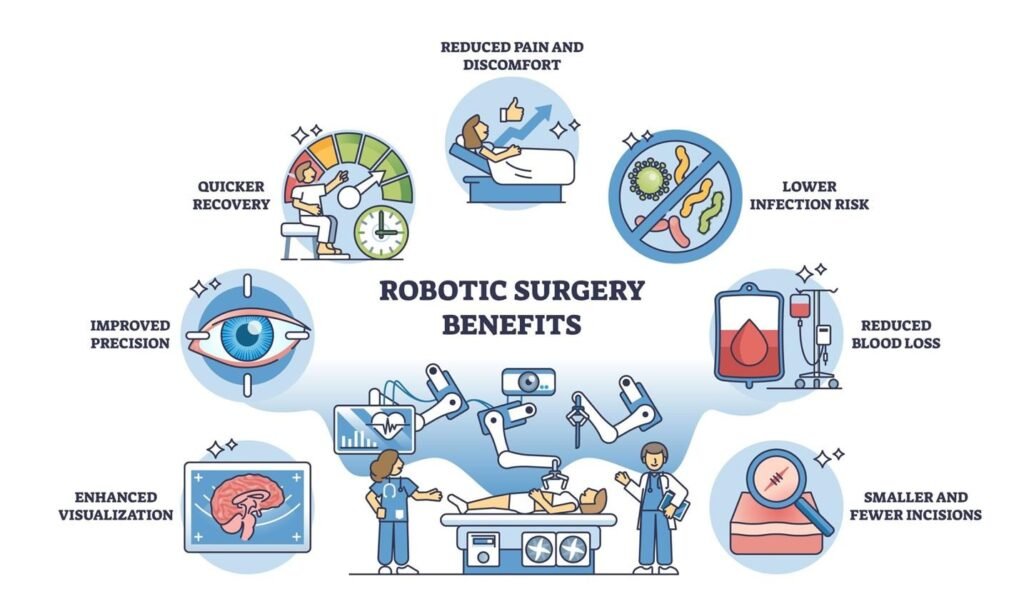
One major reason patients choose da vinci robotic surgery is the potential for improved recovery and surgical precision.
Smaller Incisions
Tiny incisions reduce trauma to surrounding tissue. This often means:
- Less scarring
- Reduced pain
- Lower infection risk
For many patients, cosmetic improvement is an additional benefit.
Faster Recovery Time
Because robotic surgery is minimally invasive, many people recover more quickly compared to traditional surgery.
Patients may experience:
- Shorter hospital stays
- Faster return to work
- Reduced need for pain medication
Some individuals return home the same day depending on the procedure.
Enhanced Surgical Precision
The robotic instruments can rotate with greater flexibility than the human hand. This precision allows surgeons to perform highly delicate procedures with improved control.
The high-definition 3D visualization also gives surgeons a clearer view of nerves, blood vessels, and tissue structures.
Reduced Blood Loss
Smaller incisions and more controlled movements often lead to less bleeding during surgery. This can reduce the need for blood transfusions and lower complication risks.
Better Access to Difficult Areas
Certain procedures involve tight or hard-to-reach spaces within the body. Robotic systems help surgeons operate with greater confidence in these challenging areas.
Potential Risks and Limitations
Although robotic-assisted procedures offer many advantages, no surgery is completely risk-free.
Surgical Risks Still Exist
Patients may still experience complications such as:
- Infection
- Bleeding
- Blood clots
- Reactions to anesthesia
Robotic assistance reduces some risks but does not eliminate them entirely.
Not Every Patient Is a Candidate
Some patients may not qualify for robotic procedures due to:
- Severe obesity
- Extensive scar tissue
- Advanced disease progression
- Certain medical conditions
A surgeon evaluates whether robotic surgery is the safest option.
Surgeon Experience Matters
The quality of outcomes often depends heavily on the surgeon’s expertise. Patients should ask how many robotic procedures their surgeon has performed and whether they specialize in the specific operation required.
Higher Costs
Robotic systems are expensive to purchase and maintain. In some healthcare systems, robotic surgery may cost more than traditional procedures.
However, shorter recovery times can sometimes offset those expenses.
What Patients Can Expect Before Surgery
Preparing for robotic surgery is similar to preparing for many other surgical procedures.
Initial Consultation
The surgeon typically reviews:
- Medical history
- Current medications
- Imaging results
- Potential risks and benefits
Patients also have the opportunity to ask questions and discuss concerns.
Preoperative Instructions
Before surgery, patients may be advised to:
- Stop certain medications
- Avoid eating after midnight
- Arrange transportation home
- Complete blood tests or imaging
Following these instructions carefully helps reduce surgical risks.
Mental Preparation
Anxiety before surgery is completely normal. Understanding the procedure often helps patients feel more comfortable and informed.
Many hospitals provide educational videos or pre-surgical counseling sessions to explain what to expect.

4
Recovery After Robotic Surgery
Recovery varies depending on the procedure and overall patient health, but robotic surgery often allows a smoother healing process.
Immediately After Surgery
Patients typically spend time in a recovery area where medical staff monitor:
- Blood pressure
- Heart rate
- Pain levels
- Breathing
Some patients return home within 24 hours.
Managing Pain
Pain is usually milder compared to open surgery. Doctors may recommend:
- Over-the-counter pain relievers
- Prescription medications
- Gentle movement and walking
Walking early after surgery can help prevent complications like blood clots.
Returning to Normal Activities
Many patients resume light activities within days, although heavy lifting and strenuous exercise may need to wait several weeks.
Recovery timelines depend on the type of surgery performed.
Follow-Up Care
Postoperative appointments allow surgeons to:
- Monitor healing
- Remove sutures if necessary
- Review pathology results
- Address complications or concerns
Patients should report symptoms such as fever, severe pain, or excessive swelling immediately.
How Robotic Surgery Is Changing Modern Healthcare
The growth of robotic-assisted surgery reflects broader trends in healthcare innovation.
Increased Precision Through Technology
Advanced imaging, artificial intelligence, and surgical robotics continue to evolve together. Newer systems may improve safety and efficiency even further in coming years.
Some hospitals are already integrating imaging guidance and enhanced analytics into robotic procedures.
Expanded Access Worldwide
Initially limited to large hospitals, robotic surgery is becoming more available in regional medical centers and specialized clinics.
As technology expands, more patients may gain access to minimally invasive treatment options.
Training the Next Generation of Surgeons
Medical schools and teaching hospitals increasingly include robotic surgery in surgical training programs.
Simulation systems allow surgeons to practice procedures before operating on patients, improving confidence and technical skill.
Comparing Robotic Surgery With Laparoscopic Surgery
Many patients wonder whether robotic surgery is simply another form of laparoscopy.
While both are minimally invasive, there are important differences.
Similarities
Both approaches use:
- Small incisions
- Cameras
- Specialized instruments
- Faster recovery than open surgery
Key Differences
Robotic surgery offers:
- Greater instrument flexibility
- Enhanced visualization
- Improved surgeon ergonomics
- More precise motion control
In standard laparoscopy, surgeons directly manipulate instruments by hand. Robotic systems translate the surgeon’s movements electronically.
Which Is Better?
There is no universal answer. The best option depends on:
- The specific procedure
- Surgeon expertise
- Patient anatomy
- Overall health condition
Patients should discuss both options with their surgeon to determine the safest and most effective approach.
Choosing the Right Surgeon and Hospital
Selecting the right medical team is one of the most important decisions patients can make.
Questions to Ask a Surgeon
Consider asking:
- How many robotic procedures have you performed?
- What are your complication rates?
- Am I a good candidate for robotic surgery?
- What recovery timeline should I expect?
These questions can help patients feel more informed and confident.
Evaluating Hospital Experience
Hospitals with established robotic surgery programs often have:
- Specialized surgical teams
- Dedicated robotic operating rooms
- Experienced nursing staff
- Better postoperative support systems
High-volume centers may also achieve better outcomes in complex procedures.
Future Innovations in Robotic Surgery
The future of robotic-assisted medicine looks remarkably promising.
Artificial Intelligence Integration
AI-assisted technologies may eventually help surgeons identify tissue structures, predict complications, and improve surgical planning.
However, surgeons will continue making final decisions during procedures.
Remote Surgery Possibilities
Researchers are exploring telesurgery, where surgeons could operate remotely using robotic systems and high-speed internet connections.
This could eventually improve access to specialized care in underserved areas.
Smaller and More Advanced Systems
Future robotic platforms may become:
- More compact
- More affordable
- Easier to operate
- More widely available
As technology advances, robotic surgery could become standard for many procedures.
FAQ
Frequently Asked Questions
Is da vinci robotic surgery safe?
Yes, robotic-assisted surgery is generally considered safe when performed by trained and experienced surgeons. Like all surgeries, risks still exist, but many patients benefit from reduced pain and faster recovery.
Does the robot perform the surgery on its own?
No. The surgeon controls every movement of the robotic system. The robot does not make independent decisions.
How long does recovery usually take?
Recovery depends on the procedure, but many patients recover faster compared to traditional open surgery. Some return to light activities within a few days.
Is robotic surgery painful?
Most patients report less pain than with open surgery because robotic procedures use smaller incisions and cause less tissue trauma.
Are scars smaller with robotic surgery?
Yes. Robotic-assisted procedures typically involve tiny incisions, resulting in smaller scars and less visible tissue damage.
Can robotic surgery be used for cancer treatment?
Yes. Robotic systems are commonly used for certain cancer surgeries, including prostate, kidney, colorectal, and gynecologic cancers.
Is robotic surgery more expensive?
It can be more costly due to advanced equipment and operating expenses. However, shorter hospital stays and quicker recovery may reduce some overall healthcare costs.
How long has robotic surgery been available?
The da Vinci surgical system received approval in the early 2000s and has since become widely adopted around the world.
Can older adults undergo robotic surgery?
Many older adults are candidates for robotic-assisted procedures, depending on their overall health and medical history.
What should I ask before choosing robotic surgery?
Patients should ask about surgeon experience, expected outcomes, recovery timelines, possible complications, and whether robotic surgery is the best option for their condition.
Conclusion
Healthcare technology continues to evolve rapidly, and robotic-assisted surgery represents one of the most significant advancements in modern medicine. For many patients, the ability to undergo complex procedures through smaller incisions with faster recovery times can make a meaningful difference in both physical healing and emotional comfort.
While da vinci robotic surgery is not appropriate for every condition or every patient, it has transformed surgical care across numerous specialties. From improved precision to reduced recovery time, the benefits have helped millions of patients worldwide experience less invasive treatment options.
The most important step for any patient is informed decision-making. Understanding the procedure, asking thoughtful questions, and choosing an experienced surgical team can help ensure the best possible outcome.