
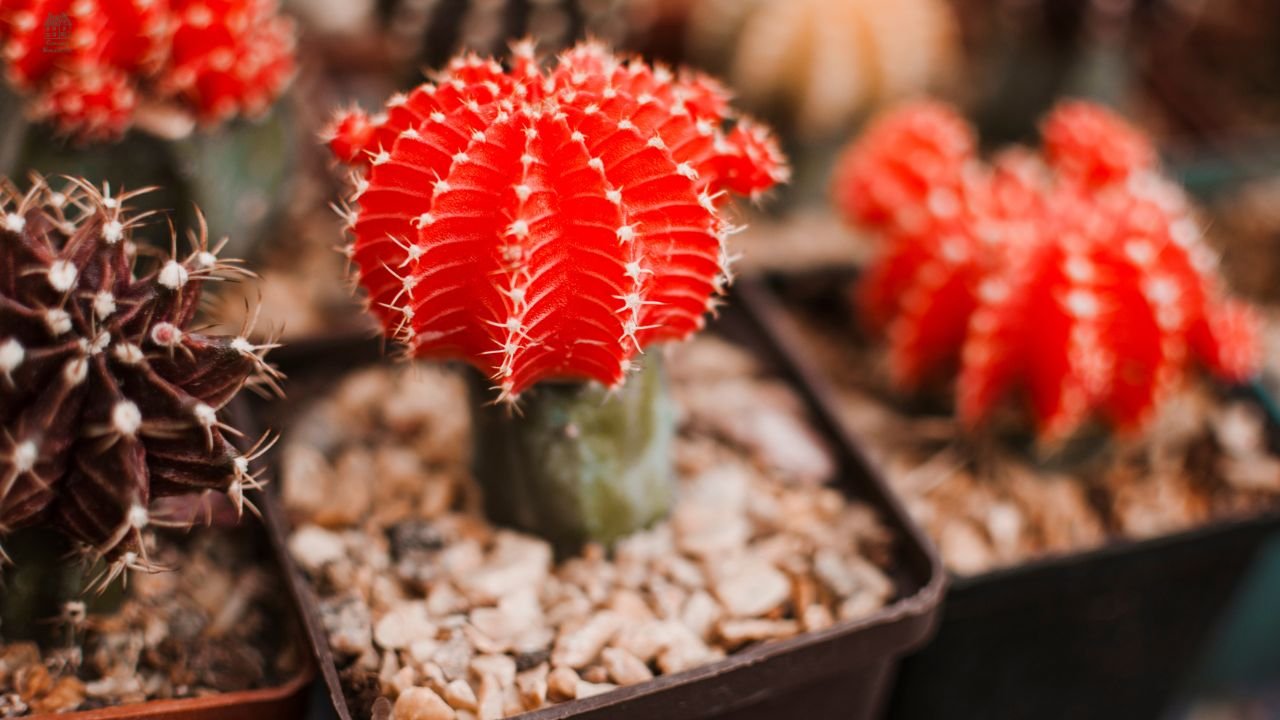
If you hear the name coral cactus, you might instantly picture a plant that looks like a mix between a sea coral and a desert cactus. And honestly… you would not be wrong.
But here’s the fun twist: coral cactus is not actually a real cactus at all.
Surprised? You are not alone.
Many people bring home a coral cactus thinking it belongs to the same family as desert cacti. But in reality, this plant has a completely different identity, and once you understand it, everything about its care suddenly makes sense.
So let’s break it down in a super simple, friendly way.
The “Confused Identity” of coral cactus
The first thing you should know is this:
A coral cactus is actually a type of succulent called Euphorbia lactea cristata.
That’s a long name, so don’t worry about memorizing it. Most people just call it coral cactus because its shape looks like ocean coral growing out of a cactus-like base.
But here’s where things get interesting.
Even though it looks like a cactus, the coral cactus is NOT part of the cactus family. Real cacti belong to a plant group called “Cactaceae.” Meanwhile, coral cactus belongs to the Euphorbia family.
Think of it like this:
- A lion and a tiger look similar, but they are different animals
- In the same way, cactus and coral cactus look similar, but they are not the same plant family
This difference is important because it affects how you care for your coral cactus at home.
Why does coral cactus look so unusual?
If you’ve ever seen a coral cactus, you probably noticed its strange, wavy, brain-like top.
That unusual shape is not random. It happens because of something called “cresting.”
In simple words:
- Instead of growing straight up like normal plants
- The top of the coral cactus grows in a twisted, folded shape
This gives it that coral-like appearance that makes it so popular in homes and plant shops.
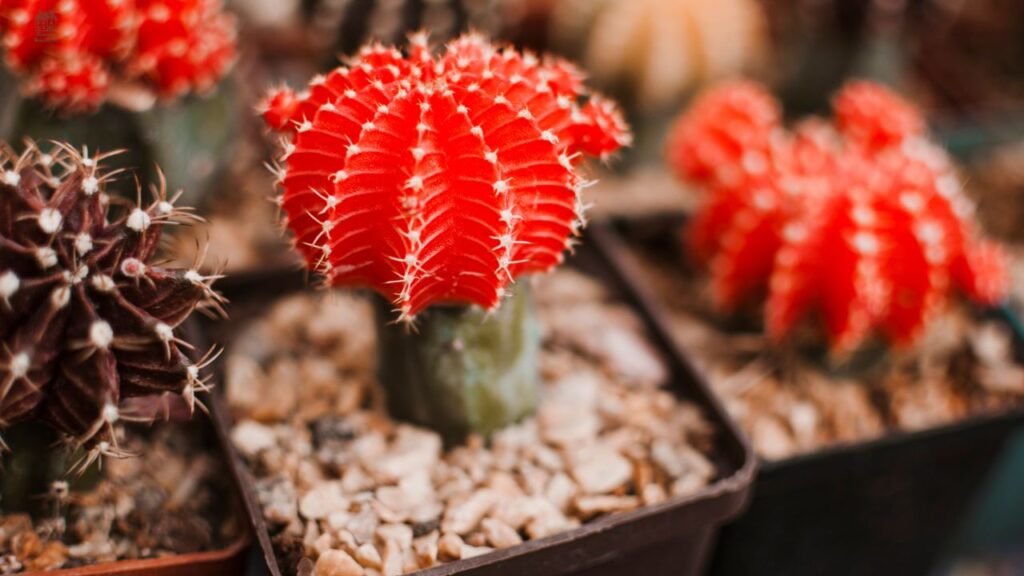
The bottom part of the plant (the stem) is usually a different plant called a rootstock. It acts like a support system, helping the unusual top of the coral cactus survive.
So you are actually looking at two plants working together as one.
Pretty cool, right?
coral cactus is a “grafted” plant
Now let’s talk about something important that most beginners don’t know.
A coral cactus is a grafted plant.
That means:
- One plant is attached to another plant
- The bottom part supports the top part
- Both parts depend on each other to survive
So when you buy a coral cactus, you are not just buying one plant. You are buying a plant partnership.
The top part of the coral cactus is usually the decorative Euphorbia crest. The bottom part is usually a strong, upright cactus-like plant that gives it water and nutrients.
Without this support system, the top part of the coral cactus would struggle to survive on its own.
This is one of the biggest reasons why people get confused when caring for it.
Why people love coral cactus so much
There is a reason why the coral cactus has become a favorite indoor plant around the world.
It is not just a plant—it is a living piece of art.
Here’s why people fall in love with it:
- It looks like a sculpture
- It grows in unusual shapes
- It adds personality to any room
- It is small and easy to place indoors
- It feels rare and exotic
A coral cactus is the kind of plant that makes guests stop and say, “Wait… what is THAT?”
It brings curiosity and conversation into your home.
And let’s be honest—plants that look this unique always steal the spotlight.
coral cactus is not what it seems (and that matters)
One of the most important things to understand about coral cactus is that it does not behave like a typical cactus.
Even though many people treat it like a desert cactus, it actually has different needs.
For example:
- It is more sensitive to overwatering
- It prefers stable indoor conditions
- It can react strongly to stress
This is why so many beginners accidentally damage their coral cactus without realizing it.
They assume:
“It’s a cactus, so it needs almost no water.”
But that assumption can lead to problems like rot or discoloration.
Understanding the real identity of coral cactus is the first step to keeping it healthy.
The “two-in-one plant” explanation (super simple version)
Let’s simplify the structure of a coral cactus even more.
Imagine this:
- The bottom part is like the legs
- The top part is like the creative hairstyle
The legs (rootstock) do all the hard work:
- Absorbing water
- Providing nutrients
- Supporting the plant
The hairstyle (crest) is the decorative part:
- It gives the plant its beauty
- It cannot survive alone for long
So when you look at a coral cactus, you are basically seeing a strong support plant carrying a beautiful but delicate top.
This teamwork is what keeps the coral cactus alive and thriving.
coral cactus in nature vs coral cactus in homes
In nature, Euphorbia plants can grow in wild, dry environments.
But the coral cactus you see in homes is usually carefully created by growers. They attach a mutated crest onto a strong rootstock to produce that unique look.
So the coral cactus you buy from a nursery is:
- Carefully designed
- Grafted for stability
- Maintained under controlled conditions
This makes every coral cactus slightly unique. No two plants look exactly the same.
That’s part of the charm.
Is coral cactus a beginner-friendly plant?
This is where things get interesting.
The coral cactus looks easy to care for because it is small and slow-growing. But it can actually be a little tricky for beginners if they treat it like a normal cactus.
The truth is:
- It is not extremely hard
- But it is not completely carefree either
Once you understand how a coral cactus works, it becomes much easier to manage.
It simply needs:
- Proper light
- Careful watering
- Stable conditions
Nothing too complicated—but it does require attention.
Why understanding coral cactus matters
You might wonder: why does all this classification stuff matter?
Well, here’s the truth:
If you don’t understand what a coral cactus really is, you will care for it incorrectly.
And that is where most problems begin.
People often:
- Overwater it
- Place it in wrong lighting
- Expect it to behave like a desert cactus
But once you understand its true identity, the coral cactus becomes much easier to manage.
Knowledge really is the difference between a healthy plant and a struggling one.
Final thoughts on coral cactus identity
At the end of the day, the coral cactus is one of the most fascinating plants you can keep indoors.
It is:
- Not a true cactus
- A grafted Euphorbia plant
- A mix of science and natural beauty
- A living decoration with personality
And once you understand its real nature, you start to appreciate it even more.
Because the coral cactus is not just about looks—it is about the clever way nature (and growers) combined two plants into one living artwork.