Blank walls can make even the most beautiful home feel unfinished. The right artwork, shelves, mirrors, or decorative accents can completely transform a space without requiring a major renovation. If you’ve been wondering how to decorate walls, you’re not alone. Many homeowners struggle to find the perfect balance between style, function, and personality.
Whether you’re moving into a new home or refreshing your current space, learning how to decorate walls helps every room feel more welcoming and complete. From large statement pieces to simple DIY projects, there are countless ways to create walls that reflect your taste while making your home feel warm and inviting.
The best part is that you don’t need an interior designer or an unlimited budget to achieve beautiful results. A thoughtful plan, a few creative ideas, and a little confidence are often all it takes. Throughout this guide, you’ll discover practical inspiration for every room, every decorating style, and every budget.
If you’ve ever asked yourself how to decorate my walls, what to put on walls, or what to decorate walls with, this guide will answer those questions with ideas that are easy to apply in real homes.
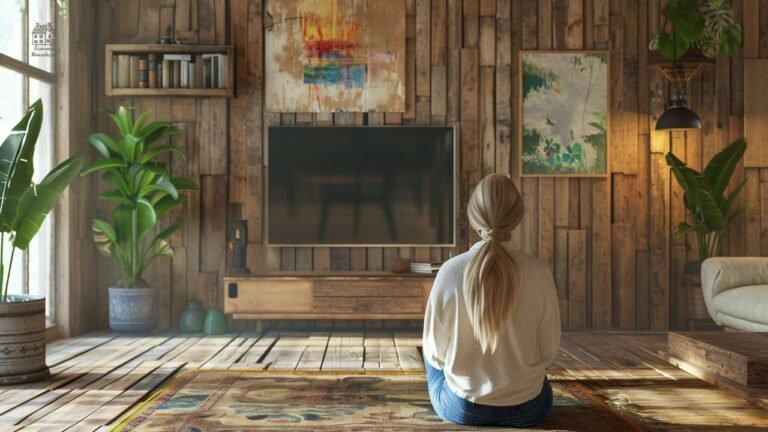
![Modern living room wall decorated with artwork, shelves, mirrors, and plants.]
Why Wall Decor Matters More Than You Think
Walls do much more than separate rooms. They shape the atmosphere of your home and influence how every space feels. Beautifully decorated walls create visual interest, tell your story, and make a house feel lived in rather than empty.
Good wall decorating also helps establish a room’s personality. Minimalist homes often feature oversized artwork with clean lines, while farmhouse interiors may include reclaimed wood, vintage signs, or woven baskets. Modern spaces often combine abstract art, floating shelves, and geometric accents.
Beyond appearance, decorating walls can improve functionality. Floating shelves create storage, pegboards organize workspaces, and mirrors brighten darker rooms by reflecting natural light.
When deciding what to put on wall, think about both beauty and purpose. Decorative pieces should complement the room while adding something meaningful to your everyday life.
Start with the Purpose of the Room
Before choosing decorations, consider how each room is used. The purpose of the space should influence every decorating decision.
A living room often benefits from artwork that encourages conversation. Bedrooms usually feel calmer with soft colors and minimal accessories. Home offices may include motivational prints, calendars, or organized shelving.
Understanding the room’s function makes it much easier to decide how to decorate a wall without overwhelming the space.
Some questions to ask yourself include:
- How is this room used every day?
- Is the wall visible immediately upon entering?
- Does the room need more color or texture?
- Should the wall be decorative, functional, or both?
- How much natural light does the room receive?
Answering these questions creates a solid foundation before purchasing any décor.
Choose a Decorating Style Before Buying Anything
One of the biggest decorating mistakes is buying individual pieces without a plan. Instead, decide on an overall style first.
Popular wall decorating styles include:
- Modern
- Contemporary
- Farmhouse
- Scandinavian
- Industrial
- Traditional
- Coastal
- Bohemian
- Rustic
- Mid-century modern
Once you’ve selected a style, every decorative element becomes easier to coordinate. This approach also helps you understand how to design a wall that looks intentional instead of random.
For example, Scandinavian interiors favor neutral colors, light wood, and simple framed prints, while industrial spaces often feature exposed brick, black metal accents, and oversized clocks.
![Infographic comparing popular wall decorating styles and their key characteristics.]
Understanding Scale and Proportion
One of the secrets professionals use is matching wall décor to the size of the wall itself.
Small artwork on a massive wall often looks lost, while oversized decorations can overwhelm compact spaces.
When learning how to decorate your walls, remember these general guidelines:
- Large walls benefit from oversized artwork or gallery walls.
- Medium walls work well with grouped frames.
- Narrow walls suit vertical artwork.
- Wide furniture pairs best with décor that spans roughly two-thirds of its width.
- Leave breathing room around decorative pieces.
Following these principles instantly improves the appearance of almost any room.
How to Decorate Walls Without Making Them Look Cluttered
Many people assume more decorations create a better design. In reality, restraint often produces the most attractive results.
Instead of filling every empty space, focus on creating balance. Mix large statement pieces with smaller accents, and leave enough blank space for the eye to rest.
Some effective decorating walls ideas include:
- Mixing artwork with mirrors
- Using floating shelves for seasonal décor
- Hanging woven baskets for texture
- Combining framed photography with plants
- Displaying meaningful travel souvenirs
- Adding wall sconces beside artwork
- Layering different textures instead of only pictures
The goal isn’t simply to decorate walls but to create harmony throughout the room.
![Elegant gallery wall featuring framed art, floating shelves, decorative mirrors, and indoor plants.]
Essential Elements That Make Wall Decor Look Professional
Professional designers rarely rely on one decorative item. Instead, they layer multiple elements together to create depth.
Some timeless options include:
- Framed artwork
- Canvas prints
- Decorative mirrors
- Floating shelves
- Wall-mounted lighting
- Sculptural wall décor
- Wooden panels
- Fabric wall hangings
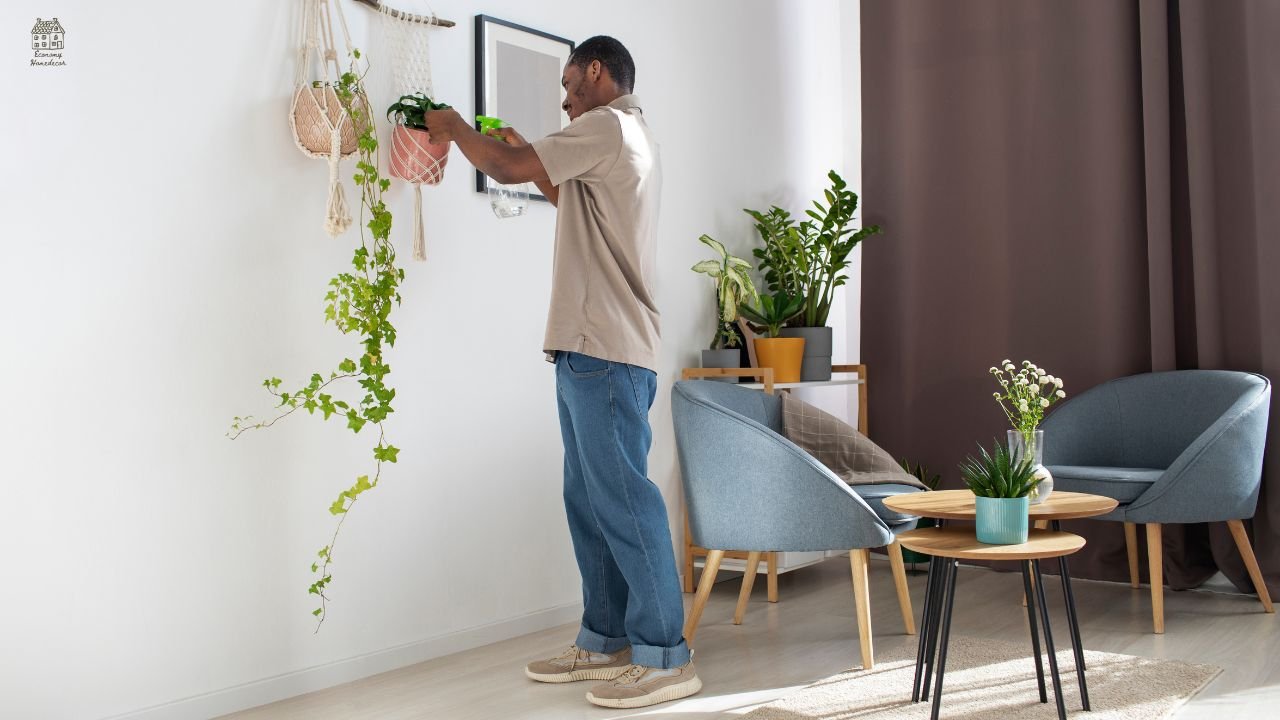
- Macramé
- Metal artwork
- Family photo displays
- Greenery
- Decorative clocks
If you’re wondering things to put on wall, these versatile options work in almost every decorating style.
Mixing materials such as wood, glass, fabric, and metal creates visual interest while preventing the room from feeling flat.
Create a Focal Point First
Every beautifully designed room has one area that naturally draws attention. This is known as the focal point.
Rather than spreading decorative items evenly across every surface, choose one primary wall to highlight.
This could include:
- A large canvas above the sofa
- A dramatic gallery wall
- Built-in shelving
- A fireplace surround
- A statement mirror
- A decorative wood feature wall
Once the focal point is established, the remaining walls can be decorated more simply.
Many people asking how to decorate living room walls discover that focusing on one impressive feature wall produces a more polished look than trying to decorate every wall equally.
In the next part, we’ll cover room-by-room decorating ideas, including how to decorate walls in living room, how to decorate a living room wall, how to decorate adjacent walls, choosing colors, arranging gallery walls, and dozens of practical ideas for every space in your home.
Room-by-Room Ideas for Beautiful Wall Decor
Every room has different needs, so the best decorating approach will vary throughout your home. Understanding how to decorate wall spaces based on their purpose helps create a home that feels cohesive while allowing each room to have its own personality.
Rather than copying the same style everywhere, think about how each space is used and choose decorations that support both function and comfort.
How to Decorate Walls in Living Room
The living room is often where family members gather and guests spend most of their time. Because of this, it’s one of the best places to showcase your personality through thoughtful wall décor.
If you’re wondering how to decorate walls in living room, begin by identifying the largest visible wall. This usually becomes the focal point for the entire room.
Some timeless ideas include:
- Oversized canvas artwork
- Family photo gallery
- Floating shelves with books and plants
- Large decorative mirror
- Wall-mounted sconces
- Wood slat accent wall
- Framed botanical prints
- Metal wall sculptures
People searching for how to decorate living room walls often assume every wall needs artwork. In reality, allowing one or two walls to remain simpler creates better visual balance.
If your furniture is neutral, use colorful artwork to introduce personality. If your furniture already has bold patterns, select simpler wall décor to avoid visual competition.
How to Decorate a Living Room Wall Above the Sofa
The wall behind the sofa is one of the most important decorating opportunities in the entire home.
Learning how to decorate a living room wall starts with choosing pieces that are proportional to the furniture below.
Excellent choices include:
- One oversized painting
- Three matching framed prints
- Large mirror
- Gallery wall
- Floating shelves with decorative objects
- Wooden wall panels
- Mixed media art
When deciding how to decorate living room wall, remember the artwork should generally hang about 6–10 inches above the sofa rather than touching the ceiling.
Decorating Bedroom Walls
Bedrooms should encourage relaxation rather than overstimulation.
Some calming ideas include:
- Soft landscape artwork
- Fabric wall hangings
- Framed black-and-white photography
- Personal travel photos
- Floating nightstand shelves
- Decorative woven baskets
- Minimalist prints
Many people ask how to decorate your room wall without making the bedroom feel crowded.
The answer is simplicity.
Choose fewer, larger decorative elements instead of dozens of small accessories.
![Cozy bedroom featuring soft wall art, woven accents, floating shelves, and warm lighting.]
Decorating Dining Room Walls
Dining rooms offer an opportunity to create warmth and conversation.
Popular options include:
- Vintage mirrors
- Large artwork
- Botanical prints
- Plate collections
- Statement clocks
- Picture ledges
- Textured wall panels
These choices create elegant decoration on the walls while complementing dining furniture.
Decorating Kitchen Walls
Kitchen walls often have limited available space, but they still deserve attention.
Try adding:
- Open shelving
- Herb planters
- Recipe artwork
- Chalkboards
- Vintage signs
- Decorative cutting boards
- Small framed illustrations
These practical accents answer the question of what to put on wall in spaces where functionality matters just as much as style.
Decorating Hallways and Entryways
Hallways connect your home’s rooms, making them ideal for storytelling.
Consider displaying:
- Family photo timelines
- Travel photography
- Vintage maps
- Framed quotes
- Decorative mirrors
- Wall-mounted lighting
Entryways benefit from mirrors because they reflect natural light and make smaller spaces appear larger.
Creative Ways to Decorate a Wall
Sometimes traditional artwork isn’t enough.
If you’re looking for fresh ways to decorate a wall, think beyond framed pictures.
Creative ideas include:
- Living plant walls
- Wood slat installations
- Painted arches
- Pegboards
- Hanging baskets
- Decorative hats
- Vinyl wall decals
- Textile displays
- Vintage window frames
- Woven wall art
These projects allow you to decorate a wall with texture, color, and personality.
Ways to Decorate Walls on Any Budget
Creating beautiful interiors doesn’t have to be expensive.
Affordable ways to decorate walls include:
- Printable artwork
- DIY canvases
- Thrift store frames
- Painted geometric designs
- Washi tape murals
- Pressed flowers
- Framed wrapping paper
- Fabric panels
- Antique book pages
- DIY floating shelves
Budget decorating often feels more personal because it incorporates handmade or meaningful items.
What to Decorate Walls With
Many homeowners hesitate because they aren’t sure what to decorate walls with.
Fortunately, almost anything can become wall décor when displayed thoughtfully.
Consider using:
- Paintings
- Mirrors
- Family photos
- Sculptures
- Macramé
- Clocks
- Plants
- Vintage signs
- Decorative plates
- Wooden carvings
- Maps
- Ceramics
- Quilts
- Architectural salvage
- Handmade crafts
Mixing materials creates more visual depth than using only framed artwork.
Gallery Walls That Feel Collected Over Time
Gallery walls remain one of the most popular forms of wall decorating because they can evolve naturally.
Start with one large centerpiece.
Then gradually add:
- Family photographs
- Art prints
- Quotes
- Vintage postcards
- Travel souvenirs
- Small mirrors
- Botanical illustrations
Leave consistent spacing between frames for a polished appearance.
This gradual approach also makes decorating a wall feel less overwhelming.
How to Decorate Adjacent Walls
Corners often confuse homeowners.
Knowing how to decorate adjacent walls helps create continuity without duplication.
Instead of placing identical artwork on both walls:
- Repeat similar colors.
- Vary frame sizes.
- Continue the same decorating style.
- Mix horizontal and vertical pieces.
- Use one statement wall and one supporting wall.
The goal is coordination rather than symmetry.
How to Style a Wall Like a Designer
Professional interiors rarely happen by accident.
Understanding how to style a wall involves layering different design elements.
A balanced arrangement often includes:
- Large artwork
- Smaller accessories
- Greenery
- Lighting
- Texture
- Negative space
This layered approach prevents walls from appearing flat while maintaining visual balance.
Wall Decor Tips That Always Work
These timeless wall decor tips apply to almost every decorating style.
- Hang artwork at eye level.
- Match décor to furniture scale.
- Repeat colors throughout the room.
- Mix textures.
- Include natural materials.
- Don’t overcrowd the wall.
- Use lighting to highlight artwork.
- Balance symmetry with organic arrangements.
- Choose quality over quantity.
- Decorate with meaningful pieces whenever possible.
Common Mistakes to Avoid
Even beautiful decorative pieces can look out of place if they’re arranged poorly.
Avoid these common mistakes:
- Hanging artwork too high
- Choosing pieces that are too small
- Ignoring scale
- Overdecorating every wall
- Mixing too many unrelated styles
- Forgetting lighting
- Using identical décor throughout every room
Avoiding these errors instantly improves your decorator wall decisions and creates more cohesive interiors.
How Many Walls in a Room Should Be Decorated?
One of the biggest decorating myths is that every wall needs artwork or decorative accents. In reality, the answer to how many walls in a room should be decorated depends on the size of the room, its layout, and the overall design style.
For most rooms:
- Decorate one statement wall if the room is small.
- Decorate two or three walls in medium or large rooms.
- Leave at least one wall relatively simple to create balance.
- Let windows, fireplaces, or built-in shelving serve as natural focal points.
Minimalist interiors often feature fewer decorative pieces, while eclectic and bohemian spaces may display décor on nearly every surface. The key is making the room feel intentional rather than overcrowded.
If you’re unsure, start with one wall and gradually add more décor only if the room still feels empty.
What to Put on My Walls
Many homeowners stare at blank walls wondering what to put on my walls. The good news is that wall décor doesn’t have to be expensive or complicated.
Consider decorating with:
- Family photographs
- Original artwork
- Canvas prints
- Decorative mirrors
- Floating shelves
- Indoor plants
- Wooden signs
- Wall clocks
- Woven baskets
- Decorative plates
- Framed maps
- Vintage finds
- Handmade crafts
- Sculptural wall art
- Seasonal decorations
The most beautiful homes combine meaningful pieces with decorative accents instead of relying only on store-bought artwork.
Ideas for Decorating Walls That Never Go Out of Style
If you’re looking for timeless ideas for decorating walls, focus on designs that remain attractive year after year.
Classic ideas include:
- Black-and-white photography
- Neutral abstract artwork
- Natural wood accents
- Built-in shelving
- Large mirrors
- Botanical prints
- Gallery walls
- Picture ledges
- Textured wall panels
- Mixed-material displays
These ideas work with almost every decorating style and can easily evolve as your tastes change.
![Modern living room with a timeless gallery wall, mirror, floating shelves, and greenery.]
How to Decorate Your Wall with Personal Touches
Learning how to decorate your wall isn’t just about following trends. It’s about creating a home that reflects your personality.
Add meaningful items such as:
- Vacation photos
- Children’s artwork
- Handmade crafts
- Wedding memories
- Family heirlooms
- Favorite quotes
- Framed postcards
- Hobby collections
These personal details transform ordinary walls into conversation starters while making your home feel unique.
How to Decorate the Wall in Small Spaces
Small rooms require a slightly different decorating strategy.
When deciding how to decorate the wall in compact spaces:
- Use mirrors to reflect light.
- Hang vertical artwork to create height.
- Choose fewer, larger pieces.
- Install floating shelves.
- Stick with lighter colors.
- Avoid cluttered arrangements.
Simple designs often make small rooms appear larger and more inviting.
How to Decorate Your Walls Without Spending a Fortune
Beautiful homes aren’t always expensive.
If you’re wondering how to decorate your walls on a budget, try these affordable projects:
- Paint your own abstract canvas.
- Frame printable artwork.
- Create a photo collage.
- Repurpose vintage windows.
- Make DIY wood signs.
- Hang woven baskets.
- Display pressed flowers.
- Frame fabric samples.
- Build inexpensive floating shelves.
- Paint geometric accent shapes.
Creativity often has a greater impact than cost.
Dressing Walls with Texture
Color isn’t the only way to make walls interesting.
Dressing walls with different materials creates warmth and dimension.
Popular textures include:
- Wood slats
- Brick veneer
- Stone panels
- Linen hangings
- Macramé
- Metal sculptures
- Woven baskets
- Cork panels
- Rattan décor
- Textured wallpaper
Combining smooth and textured surfaces gives rooms a professionally designed appearance.
Decorating Wall Corners
Corners are often overlooked, but they can become attractive design features.
Ideas for decorating wall corners include:
- Corner floating shelves
- Tall indoor plants
- Reading lights
- Hanging planters
- Corner gallery walls
- Decorative ladders
- Vertical artwork
Making use of neglected spaces helps every room feel complete.
How to Decor Wall Successfully
Some homeowners search for how to decor wall, looking for quick and practical advice.
Keep these simple principles in mind:
- Start with one focal point.
- Choose a consistent decorating style.
- Match décor to the wall size.
- Layer different materials.
- Include personal touches.
- Leave some empty space.
- Use proper lighting.
- Step back often to evaluate balance.
Following these basics makes decorating easier and more enjoyable.
Bringing Everything Together
Whether you’re planning a complete makeover or making small updates, learning how to decorate a wall is all about balance. Combine artwork, lighting, texture, and meaningful accessories to create spaces that feel comfortable and welcoming.
Don’t feel pressured to decorate every wall immediately. Great interiors often evolve over time as you collect pieces that truly reflect your personality.
Remember that every room tells a story. The decorations you choose should make your home feel like yours—not simply like a page from a magazine.
Frequently Asked Questions
How do I start decorating blank walls?
Start with one focal point, such as a large piece of artwork or a mirror. Then add complementary décor like shelves, plants, or smaller frames until the wall feels balanced.
What are the best things to put on walls?
Popular things to put on wall include artwork, mirrors, floating shelves, clocks, woven baskets, family photographs, plants, and decorative sculptures.
Should every wall have decorations?
No. Leaving some walls partially empty creates balance and allows statement pieces to stand out. Overdecorating can make a room feel cluttered.
How can I decorate my walls without nails?
Use removable adhesive hooks, picture-hanging strips, leaning artwork on shelves, or freestanding picture ledges to avoid damaging walls.
What’s the easiest way to update wall décor?
Replace existing artwork, add a mirror, install floating shelves, or introduce textured wall hangings. Even small changes can refresh an entire room.
How do I choose the right wall art size?
Artwork should generally fill about two-thirds to three-quarters of the width of the furniture beneath it. Larger walls usually require larger pieces or grouped arrangements.
What colors work best for wall decorations?
Neutral colors are timeless, while accent colors can add personality. Choose colors that complement your furniture, flooring, and overall décor.
How often should I change my wall décor?
There is no set rule. Many people refresh decorations seasonally or whenever they want a new look, while timeless pieces can remain in place for years.
Conclusion
Learning how to decorate walls is less about following strict design rules and more about creating spaces that feel welcoming, functional, and uniquely yours. Whether you’re refreshing a single room or redesigning your entire home, thoughtful wall décor adds character, warmth, and visual interest that transforms ordinary spaces into memorable ones.
From selecting the perfect artwork and arranging gallery walls to choosing meaningful accessories and incorporating texture, every decorating decision contributes to the overall atmosphere of your home. Start with a clear vision, decorate with purpose, and don’t be afraid to let your personality shine through every display.
The best interiors aren’t created overnight. They grow naturally over time, reflecting your experiences, interests, and memories. With these ideas and inspiration, you’ll feel confident tackling your next project and turning every blank wall into a beautiful focal point you’ll enjoy for years to come.