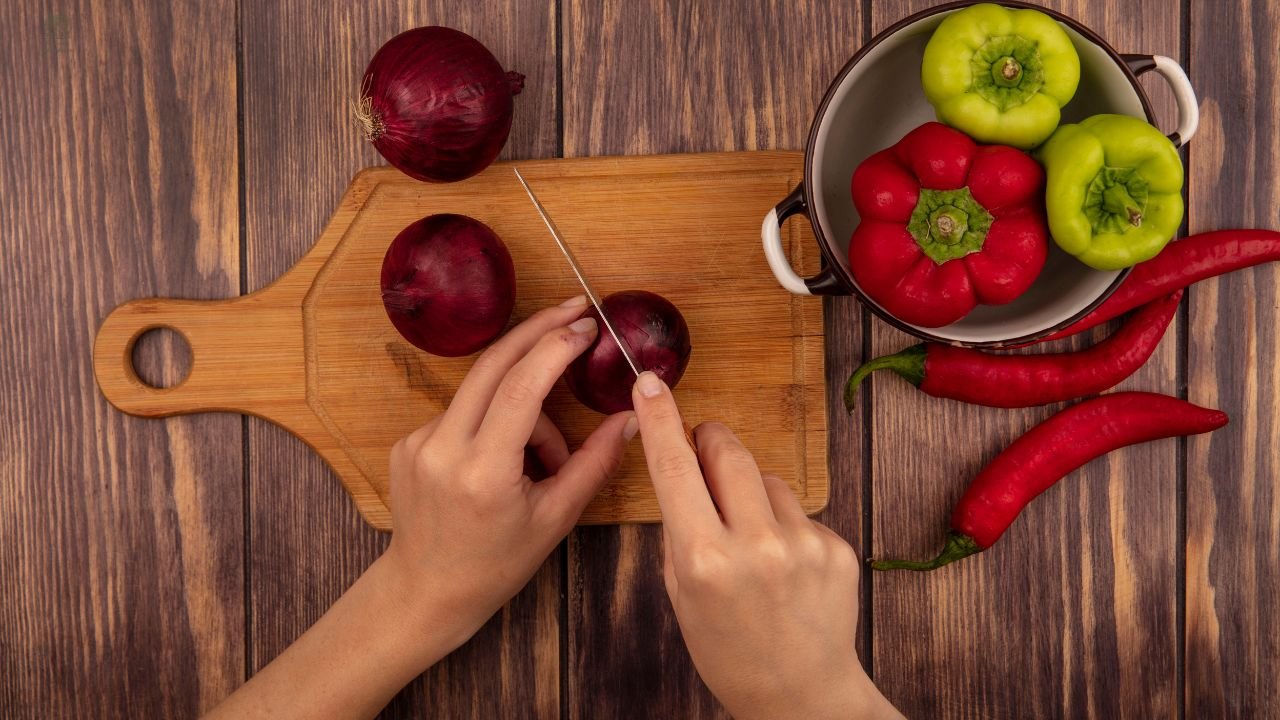
If you’ve ever dropped beet juice on your shirt or noticed your hands turning pink after cooking, you’re probably here asking one big question: how to remove beet stains without ruining everything you touch.
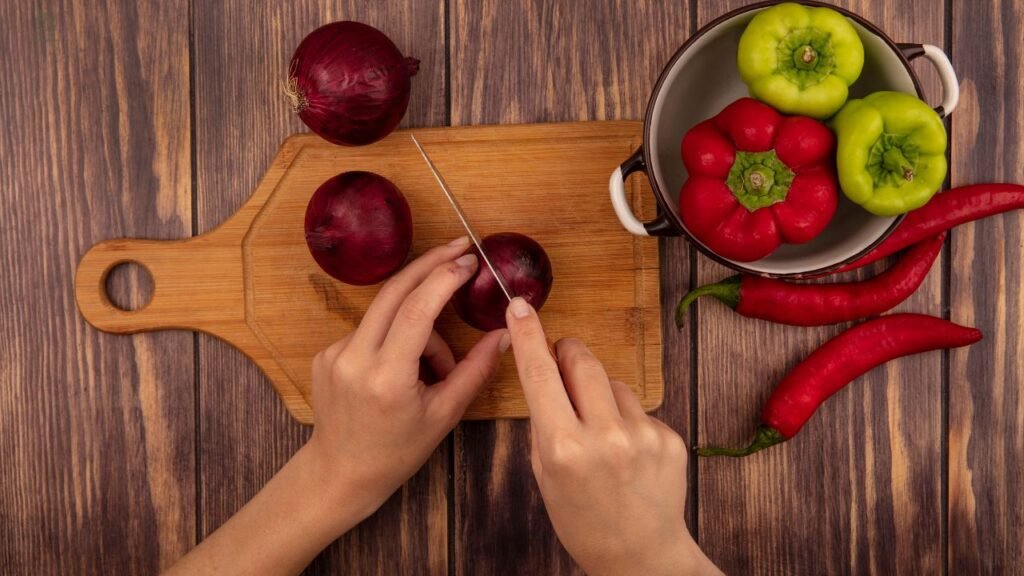
And honestly, you’re not alone. Beet stains have a reputation for being stubborn, dramatic, and a little bit “why won’t you just leave already?” kind of annoying.
Let’s break it down in a simple way so even a 10-year-old could understand exactly what’s going on—and more importantly, what you can actually do about it.
🌱 First, what makes beet stains so powerful?
Beets are not just any vegetable. They are packed with something called betalain pigments. You don’t need to remember the fancy name, but here’s the simple idea:
These pigments are what give beets their deep red-purple color—and they LOVE to stick to things.
So when beet juice spills on:
- Your shirt
- Your hands
- Your kitchen counter
- Or even your carpet
…it doesn’t just sit there. It grabs onto surfaces like glue.
That’s why people search how to remove beet stains again and again. Because regular washing doesn’t always work.
😬 Why beet stains feel “permanent” (but aren’t always)
Here’s something important: beet stains are NOT always permanent. But they can become stubborn very quickly if you treat them the wrong way.
When beet juice hits fabric or skin, three things happen fast:
- The color starts soaking in
- The pigments bond with fibers
- Heat or time locks the stain in place
That third one is the troublemaker.
If you’re trying to figure out how to remove beet stains, the biggest mistake people make is using hot water too early. Hot water is like telling the stain, “Hey, stay forever!”
So yes, timing matters a lot when learning how to remove beet stains properly.
🔥 The heat problem (this is where most people go wrong)
Let’s say you spill beet juice on your favorite shirt. You panic. You grab hot water.
Big mistake.
Hot water doesn’t help when figuring out how to remove beet stains. Instead, it:
- Opens up fabric fibers
- Helps pigment go deeper
- Makes stain removal harder later
Think of fabric like a sponge. Hot water opens the sponge wide, and beet juice just sinks deeper inside.
So if you remember only one thing about how to remove beet stains, make it this:
👉 Always start with cold water, not hot.
⏱️ Time is your biggest enemy (or your best friend)
The clock matters more than anything else when learning how to remove beet stains.
Here’s how it works:
- First 5 minutes: Easy to fix
- First 30 minutes: Still manageable
- After drying: Much harder
- After washing & drying: Very difficult
So if you ever find yourself wondering how to remove beet stains, the best answer is: act fast.
Even a simple cold rinse can make a huge difference if done immediately.
🧠 Why beet stains stick more than other food stains
Not all stains are equal.
Ketchup? Easier. Coffee? Moderate. Beet juice? Sneaky and strong.
So why does how to remove beet stains feel more difficult than other stains?
Because beet pigment:
- Binds tightly to fabric fibers
- Spreads quickly when rubbed
- Can stain both natural and synthetic materials
- Even stains skin temporarily
This is why so many people keep searching how to remove beet stains after cooking beet salad, beet soup, or even drinking beet juice smoothies.
It’s not your fault—it’s just chemistry doing its thing.
🧤 Hands, clothes, and everything in between
One interesting thing about how to remove beet stains is that it’s not just about clothing.
People also struggle with:
- Pink fingers after peeling beets
- Purple nails after cooking
- Stained chopping boards
- Red kitchen towels
So when you think about how to remove beet stains, think beyond clothes.
It’s a full “life situation” kind of stain.
😳 The emotional side of beet stains (yes, really)
It might sound silly, but stains can be frustrating.
You might feel:
- Annoyed when your favorite shirt is ruined
- Embarrassed if your hands are pink in public
- Stressed when guests are coming over
- Frustrated when nothing seems to work
That’s why so many people urgently search how to remove beet stains—because they want a quick fix that actually works.
And good news? There are solutions. You just need the right steps (which we’ll get into later).
🧼 Why scrubbing makes things worse
When people panic about how to remove beet stains, they often scrub hard.
But here’s the truth:
Scrubbing doesn’t clean beet stains—it spreads them.
Instead of lifting the stain, you push it deeper into fibers. That’s why stains sometimes look worse after cleaning attempts.
So the golden rule of how to remove beet stains is:
👉 Be gentle, not aggressive.
🌊 The simple science behind stain removal
Let’s keep it very simple:
To solve how to remove beet stains, you need to break the bond between pigment and surface.
That’s it.
You’re not “destroying” the stain—you’re loosening its grip so water and cleaning agents can wash it away.
This is why cold water, soap, vinegar, and other solutions work. They help break that bond slowly.
🧩 Why different surfaces matter
One thing most guides don’t explain well about how to remove beet stains is that the surface matters a lot.
Beet stains behave differently on:
- Cotton shirts
- Polyester clothes
- Skin
- Wood surfaces
- Carpets
Each one absorbs stains differently. That’s why there is no single magic trick for how to remove beet stains—you need different methods depending on the situation.
💡 Final thoughts
If we simplify everything so far about how to remove beet stains, here’s what you should remember:
- Beet stains are strong because of natural pigments
- Heat makes them worse
- Time makes them harder to remove
- Scrubbing spreads them
- Quick cold water action is your best friend
And most importantly, how to remove beet stains is not about panic—it’s about understanding what’s happening and reacting the right way.