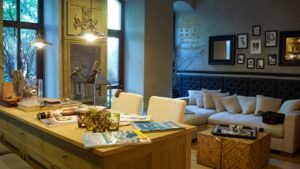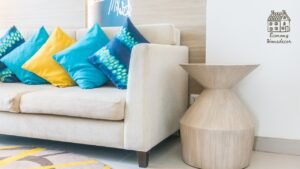
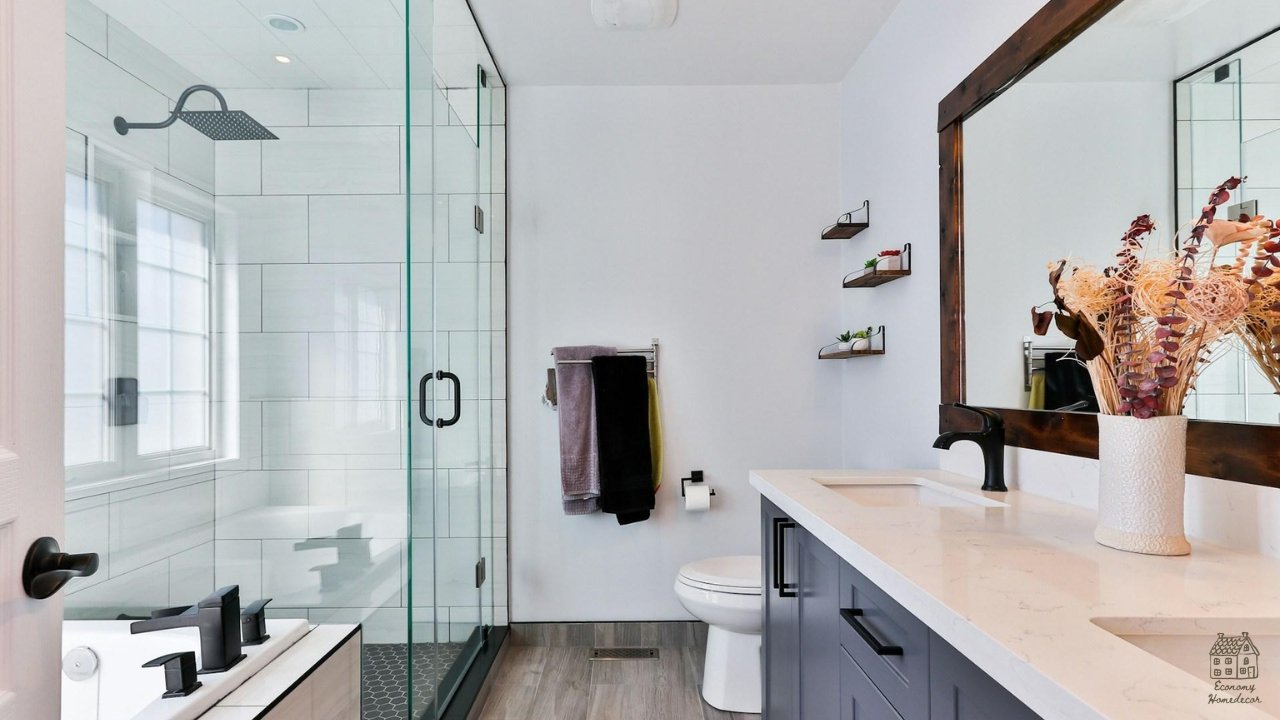
Does your home feel slightly behind your life? Styles change. Needs shift. What worked ten years ago may feel inconvenient now.
Modernizing a home is not about chasing trends. It is about aligning your space with how you actually live. Rooms should support routines, not fight them. Storage should be accessible. Lighting should be layered. Comfort should be built in, not added as an afterthought.
Function and style are often treated as opposites. They are not. When design is thoughtful, beauty and usability are blended naturally. A modern home is one where movement feels easy and maintenance feels manageable.
Small changes can create big shifts. Layouts can be opened. Fixtures can be updated. Surfaces can be simplified. In this blog, we will share practical ways to modernize your home for better function and style, helping you create a space that looks current while working smoothly for everyday life.
Start With the Rooms You Use Most
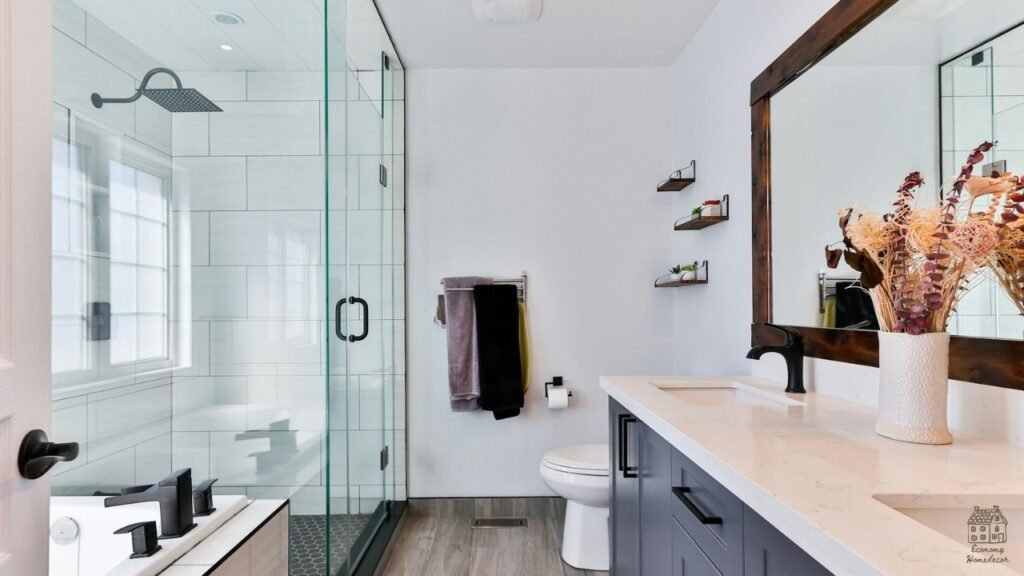
High traffic areas deserve attention first. Kitchens and bathrooms are often at the top of the list. These rooms are used daily, so inefficiencies are noticed quickly.
Outdated fixtures can make a space feel older than it is. Poor lighting can flatten even the best design. Storage gaps can turn simple routines into small frustrations. When these issues are addressed, daily life feels smoother.
Bathrooms in particular are often overlooked until something breaks. Cracked tile or stained surfaces may be tolerated for years. Eventually, comfort becomes a priority. At that point, projects like bathtub replacement are considered not just for appearance but for improved accessibility, easier cleaning, and updated water efficiency that supports both function and modern style.
Plumbing features should also be reviewed. Water saving fixtures can be installed. Pressure can be adjusted. These updates are often simple, yet the impact is felt every morning and evening. A refreshed bathroom does more than look good. It works better.
Open Up the Flow
Layout matters. It always has.
Older homes were often divided into smaller rooms. Walls were added for separation. Today, openness is valued because light and movement are enhanced when sightlines are clear.
Removing non structural barriers can transform a space. Even widening a doorway can create flow. Kitchens that connect to living areas feel larger. Entertaining becomes easier. Conversations travel more naturally.
Furniture placement should also be reconsidered. Large pieces can block pathways. Angles can be softened. When traffic patterns are simplified, tension is reduced subconsciously.
Clutter must be addressed honestly. Storage solutions should be built in where possible. Shelving can be added. Multi functional furniture can be chosen. The goal is not minimalism for its own sake. It is ease.
Upgrade Lighting With Intention
Lighting changes everything. It really does.
Many homes rely on a single overhead fixture per room. That approach feels flat. Shadows are created. Mood is limited.
Layered lighting is more effective. Ambient light fills the room. Task lighting supports activities. Accent lighting highlights design features. When these layers are combined, depth is created.
Natural light should be maximized. Window treatments can be simplified. Heavy drapes can be replaced with lighter fabrics. Mirrors can be positioned to reflect brightness. The result feels fresh without major renovation.
Smart lighting systems are often installed during updates. Dimmers can be added. Warm tones can be selected for evenings. These small adjustments make a home feel responsive and current.
Refresh Surfaces and Materials
Surfaces age visibly. Scratches accumulate. Colors fade.
Paint is one of the simplest upgrades available. Neutral tones are often chosen because flexibility is increased. Bold accents can still be used, but balance is key. A clean backdrop allows furniture and decor to stand out.
Flooring has a major impact. Worn carpet can date a room quickly. Hardwood or modern composites are often installed for durability. Area rugs can be layered for comfort and style.
Countertops and cabinetry deserve attention as well. Hardware can be swapped easily. Knobs and pulls may seem minor, yet they influence perception strongly. When finishes are coordinated, cohesion is achieved.
Consistency should be maintained throughout the home. It does not mean every room must match. It means materials should complement one another so the space feels intentional rather than pieced together.
Integrate Smart Functionality
Technology has changed expectations. Homes are being adapted accordingly.
Smart thermostats are widely used now. Energy use can be monitored remotely. Temperatures can be adjusted before arriving home. Convenience is increased.
Security systems have evolved. Cameras can be accessed from phones. Doorbells record visitors automatically. These tools provide peace of mind without being intrusive.
Appliances are also being modernized. Energy efficiency is prioritized. Noise levels are reduced. Water consumption is lowered. These improvements may not be flashy, but they make daily routines smoother.
Each of these additions enhances usability, and when combined thoughtfully, the home feels aligned with current living standards without sacrificing personal style.
Focus on Comfort Without Clutter
Comfort should be felt immediately. It should not require explanation.
Soft textiles can be layered strategically. Throws and cushions add warmth. However, excess can overwhelm a room. Balance is important.
Seating should be evaluated honestly. Is it supportive? Is it scaled appropriately? Furniture that looks beautiful but feels stiff will rarely be used. Style should never overpower comfort.
Temperature consistency should be reviewed. Drafts can be sealed. Ceiling fans can be installed. Air circulation can be improved. When comfort is stable, irritation drops quietly.
Sound control also plays a role. Rugs absorb echo. Curtains soften acoustics. Background noise can be reduced through simple adjustments. These details often go unnoticed, yet the effect is substantial.
Personalize With Purpose
Modern does not mean impersonal. It should not feel sterile.
Art can be displayed thoughtfully. Personal photographs can be framed intentionally. Collections can be curated rather than scattered. When personality is expressed with care, the home feels alive.
Plants bring movement and color. Air quality may even be improved slightly. Greenery softens sharp lines. It makes rooms feel finished.
Decor should be edited periodically. Items that no longer fit your lifestyle can be donated. Space can be created for new chapters. A home should evolve with you.
The strongest modernization efforts are not about copying trends seen online, but about shaping an environment that supports your routines, reflects your taste, and functions smoothly in ways that reduce friction, increase comfort, and make daily living feel lighter rather than more complicated.